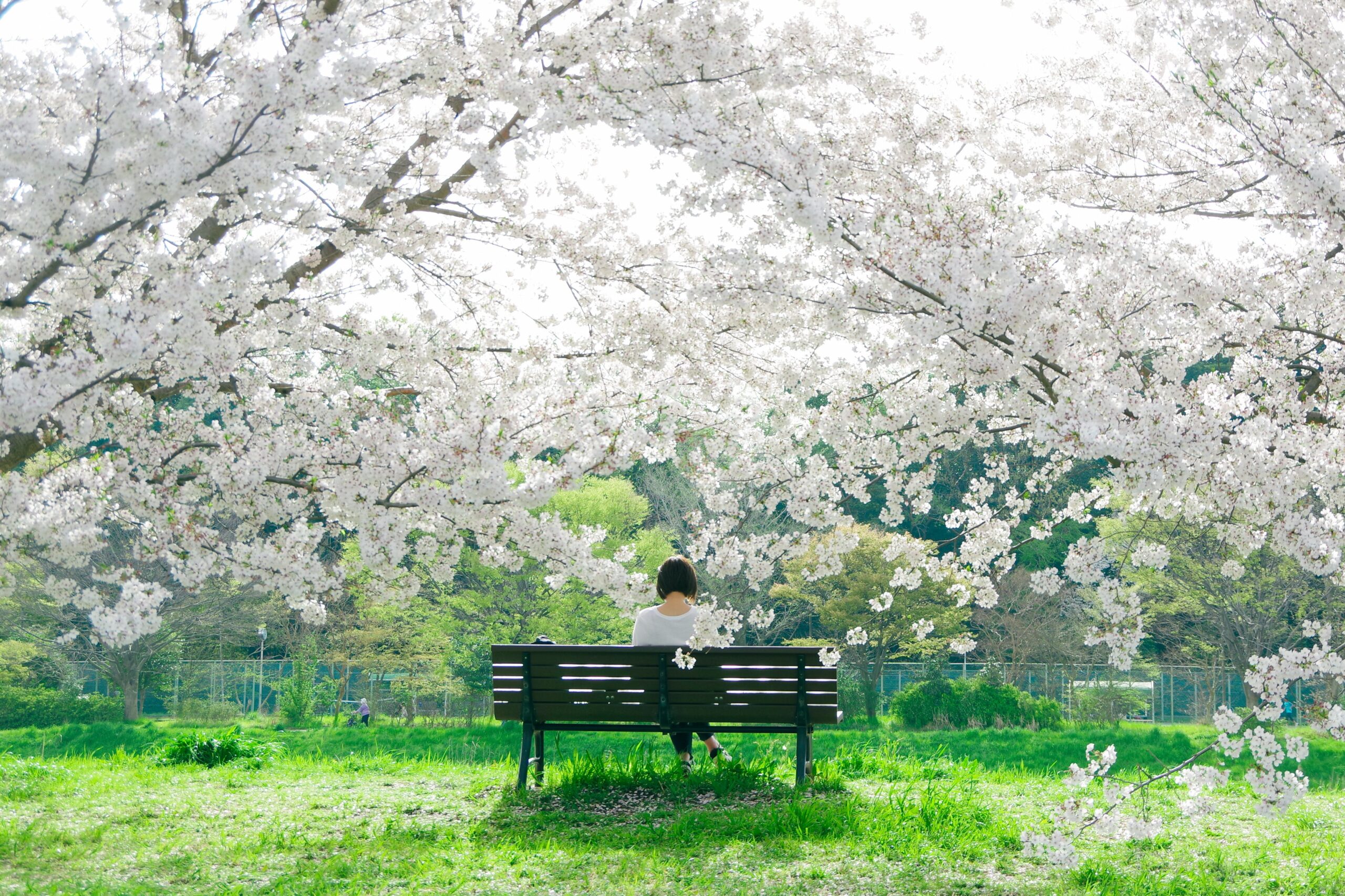
Sakura, or cherry blossoms, are one of the most iconic symbols of Japan. The meaning of sakura in Japan goes beyond beauty—they represent life, impermanence, and the changing seasons.
Introduction
In Japan, Sakura are more than just beautiful flowers — they are a symbol of life, change, and emotion.Each spring, people gather under the blossoms not only to admire their beauty, but to reflect on the fleeting nature of life.
For many Japanese, sakura are deeply connected to memories, seasons, and the rhythm of everyday life.
Cultural Meaning of Sakura
A Flower That Lives in Every Japanese Heart
Sakura, or cherry blossoms, are arguably the most beloved flowers in Japan. They are not only admired for their breathtaking beauty, but also hold deep cultural and emotional significance. Blooming for only about a week in spring, sakura trees transform landscapes across Japan with their pale pink petals, marking both joyful beginnings and poignant endings in many people’s lives.
The Beauty — and Fragility — of Sakura

Most sakura flowers, especially the famous Somei-Yoshino variety, bloom fully in just five to seven days. Soon after, the petals begin to fall, creating a mesmerizing scene known as sakura fubuki — a “cherry blossom snowstorm.”
This short life span reminds many Japanese of the transience of life itself, a theme deeply rooted in Buddhist philosophy and Japanese aesthetics such as mono no aware (the gentle sadness of impermanence).
This awareness of impermanence is deeply connected to a Japanese philosophy known as Ichigo Ichie, the idea that each moment is unique and will never come again(👉 Explore the meaning of Ichigo Ichie).
Sakura as a Misused Symbol in History
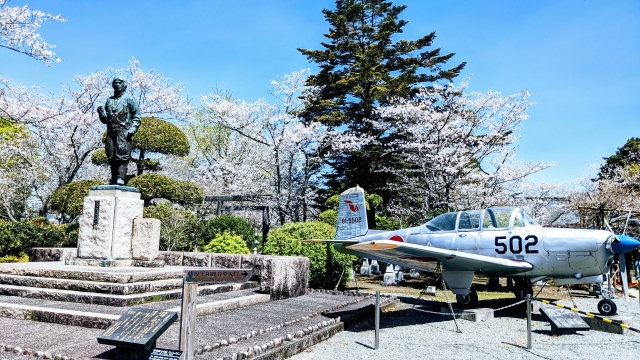
Tragically, during World War II, this beautiful symbolism was twisted. The government at that time used sakura’s fleeting beauty to justify the deaths of young kamikaze pilots, comparing their sacrifice to petals falling in full bloom.
Some left farewell letters referencing sakura as a metaphor for their noble death. This propaganda left deep emotional scars on the nation. Today, many Japanese regard sakura as a symbol of peace — not war.
Sakura in Daily Life
Sakura and Memories of School Days

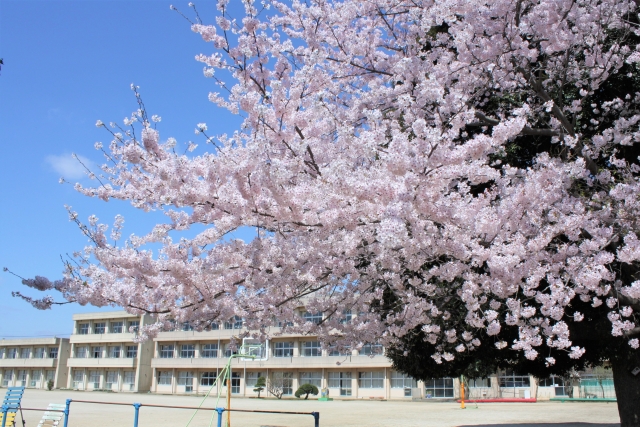
In Japan, the school year starts in April and ends in March — right in sync with sakura season. As a result, cherry blossoms are strongly associated with graduation and school entrance ceremonies. For many Japanese, sakura evoke bittersweet memories of student life: the excitement of a new beginning, farewells to classmates, first love, and favorite teachers.
It’s no wonder that so many Japanese graduation songs mention sakura, symbolizing both parting and hope for the future.
Hanami: Enjoying Sakura with Others
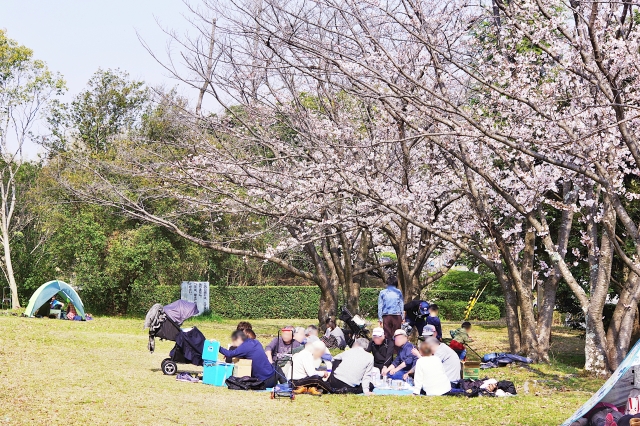
One of the most popular ways to enjoy Sakura in daily life is through hanami, the tradition of gathering under the blossoms with friends, family, or colleagues.
People bring food, share drinks, and spend time together beneath the trees, creating moments that are both joyful and fleeting. These gatherings are not only about appreciating the beauty of the flowers, but also about strengthening social bonds and celebrating the arrival of spring.
👉 Learn more about Hanami and how to experience it in Japan
Seasonal Beauty of Sakura
When Does Sakura Bloom?
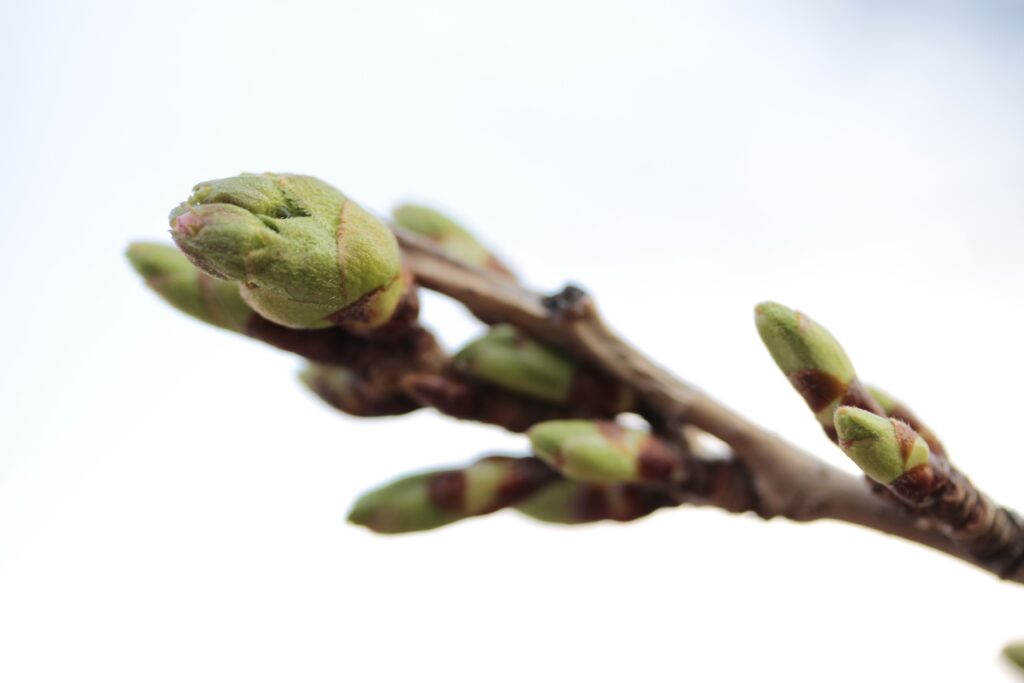
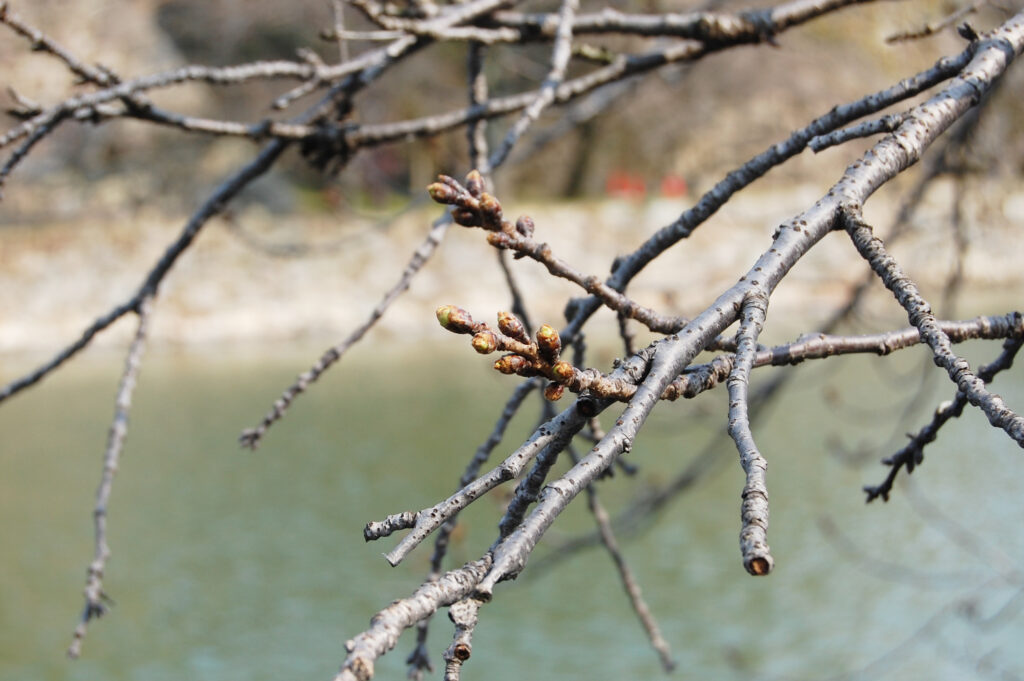
Sakura is a deciduous tree whose buds begin to swell in March.
Unlike many other trees that bloom among thick foliage, cherry blossoms usually bloom before the leaves appear. This makes the flowers stand out dramatically against the bare branches, creating a delicate and striking visual.
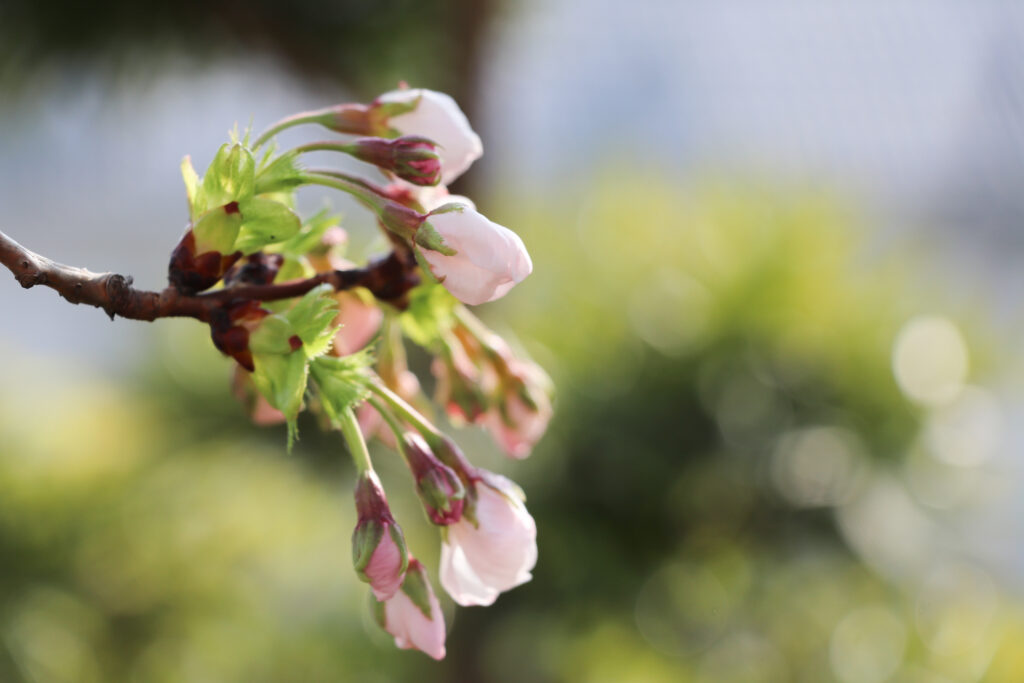
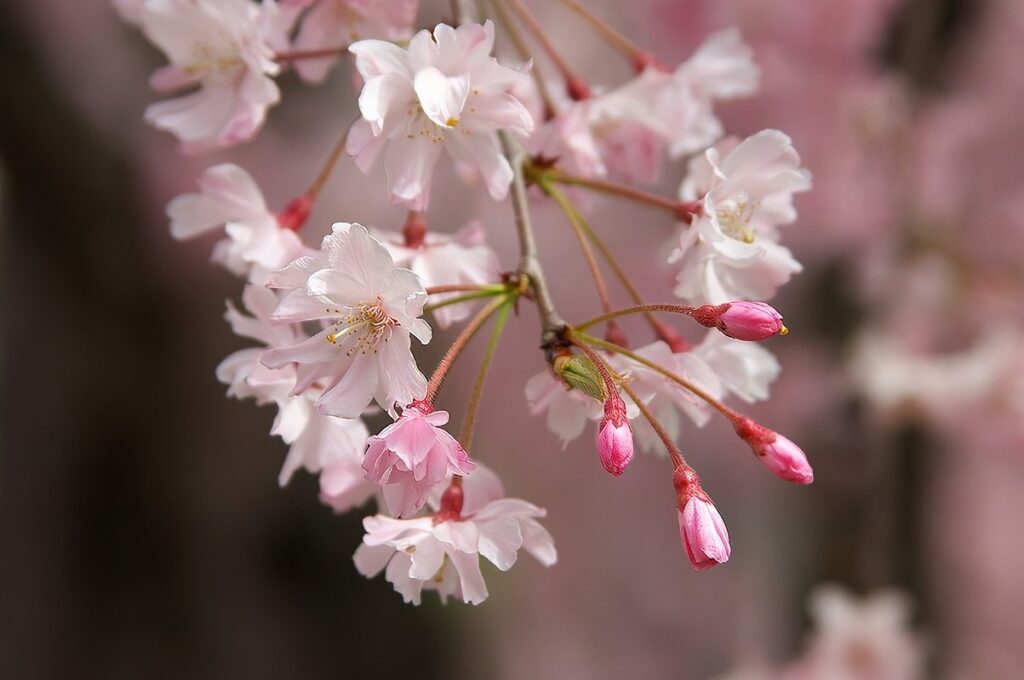
The full bloom usually occurs from late March to early April, depending on the region. In fact, weather forecasts on TV often report the “sakura front,” tracking the blooming progress from Okinawa in the south to Hokkaido in the north.
Regarding the information of Sakura’s blooming time by city, you can refer to the relevant site
Autumn Sakura: A Hidden Beauty
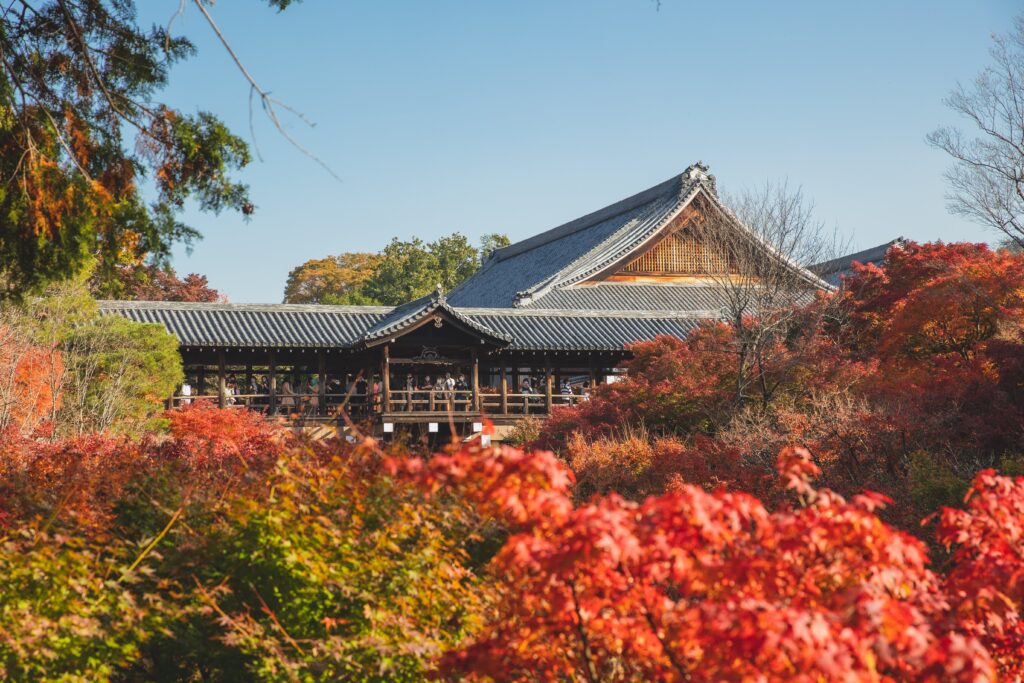
While most people imagine sakura only in spring, the tree also has a stunning autumn phase. After blooming ends, the green leaves known as shin-ryoku appear in May. These leaves later turn vivid shades of yellow and orange from October to November, a phenomenon known as kōyō (autumn foliage).
In autumn, sakura trees join maples and ginkgoes in painting Japan’s hills and mountains in fiery colors — an unforgettable sight for visitors.
Experiencing Sakura in Japan
Sakura Festivals and Spring Traditions
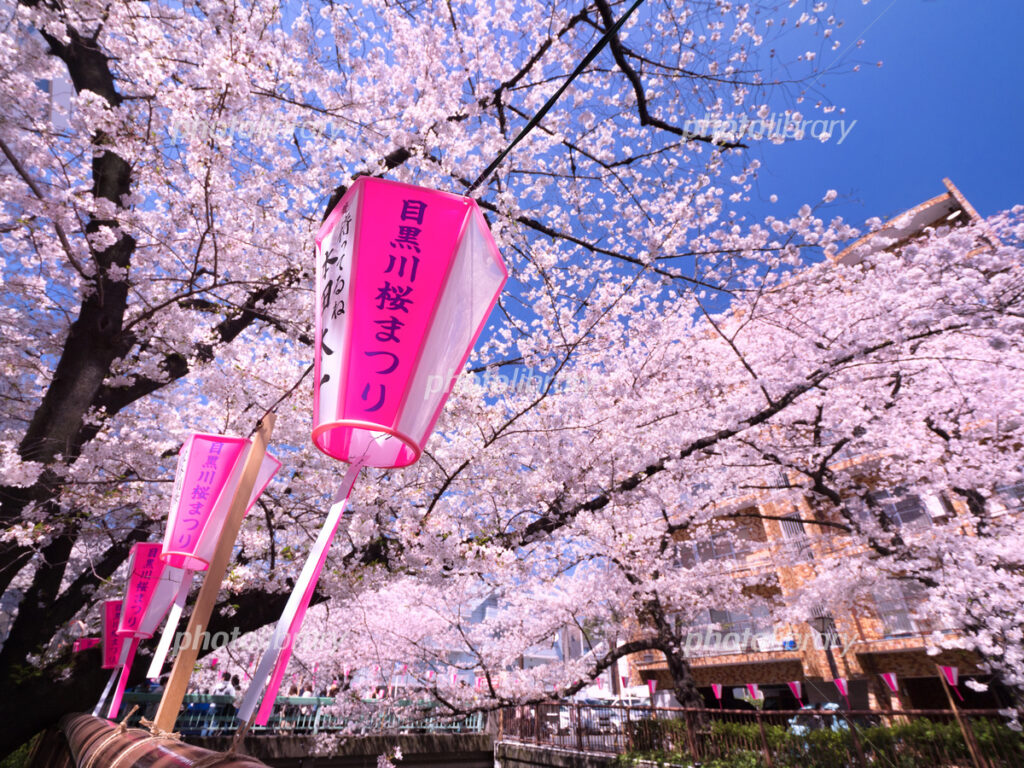
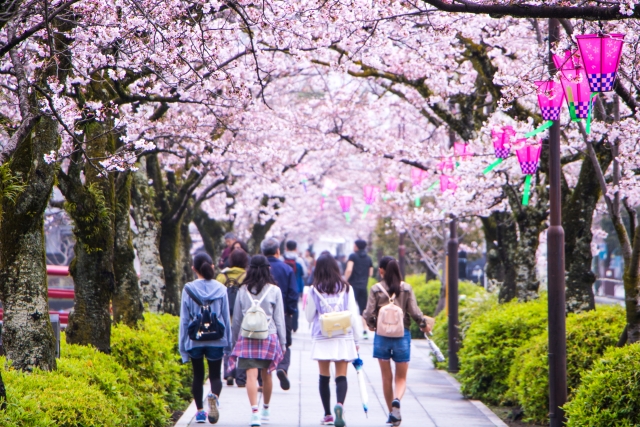
During peak bloom, cities and towns across Japan hold Sakura Matsuri (Cherry Blossom Festivals). Parks, temples, schoolyards, and even sidewalks come alive with people celebrating the fleeting beauty of the flowers.
One traditional way to enjoy sakura is through hanami, a picnic-style gathering under the blossoms, often with food, drinks, and laughter shared among friends and family.
Experiencing sakura is not just about viewing the flowers, but about sharing time with others under the blossoms. 👉 Discover how to experience Japanese seasonal traditions
Experience Japanese Culture
The beauty of Sakura is deeply connected to how people experience the seasons in Japan. Rather than simply observing, many traditions invite you to take part — whether through tea ceremonies, seasonal festivals, or cultural activities rooted in mindfulness and appreciation.
By experiencing these traditions, you can begin to understand the deeper meaning behind sakura and the Japanese way of seeing life.
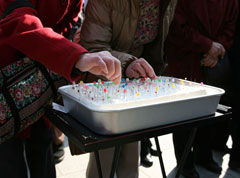
(Photo courtesy of Wabunka)
👉 Experience authentic Japanese culture through seasonal traditions
Seasonal traditions such as tea ceremonies or cultural experiences during spring can offer a deeper appreciation of this mindset(👉 Experience the spirit of Japanese seasons through cultural activities).
Or explore how each season is celebrated across Japan(👉 Discover Japan’s seasonal highlights).
Conclusion
Sakura is not just a flower in Japan — it is a symbol woven into the very rhythm of life. It marks transitions, stirs emotions, and captures the beauty of impermanence.
This perspective is closely connected to the Japanese philosophy of Ichigo Ichie, which teaches us to treasure each moment as a once-in-a-lifetime experience.
To truly understand this feeling, it is more meaningful to experience it in a real cultural setting rather than only observing it.
This deep connection between nature and human emotion is also reflected in Japan’s most iconic symbol, Mount Fuji. 👉 Explore the meaning of Mount Fuji in Japanese culture


コメント