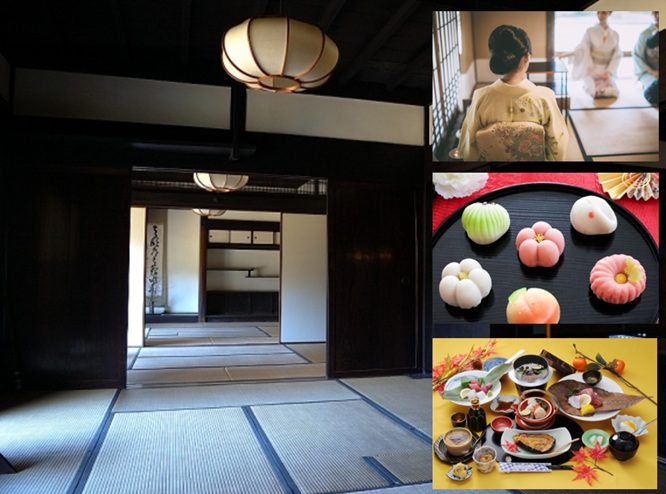
The Meaning of Wa Japanese Culture
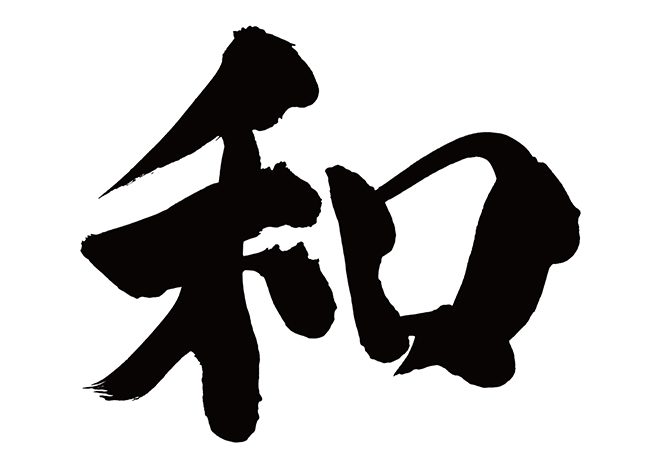
“Wa” (和) is a key concept in Japanese culture, often described as wa Japanese culture, representing harmony and balance.
One of the key elements of the Japanese language is Kanji, a system of characters introduced from China between the 1st and 4th centuries. Kanji are ideograms, meaning that each character carries its own meaning. The character “Wa” (和), which we explore in this article, has several meanings in Japanese:
- Harmony; absence of conflict; peaceful unity
- Mixing or blending
- Sum (in mathematics)
- Japan or Japanese culture
The idea of wa Japanese culture can be seen in many traditional customs and daily life in Japan. This article explains wa japanese culture in a simple and clear way.
Japanese Words Beginning with “Wa”
Many Japanese words that begin with “Wa” refer to traditional aspects of Japanese culture:
- Washoku (和食): traditional Japanese cuisine
- Wagashi (和菓子): traditional Japanese sweets
- Wafuku (和服): traditional Japanese clothing, including kimono
- Washitsu (和室): traditional Japanese-style room
- Washi (和紙): traditional handmade Japanese paper
These words do not simply indicate “Japanese-style” categories—they also reflect a long cultural and historical background.
The Origin of the Philosophy of “Wa”
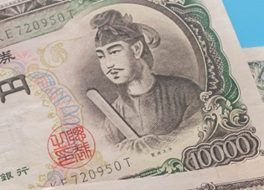
In 604, Prince Shotoku established what is known as the Seventeen-Article Constitution, Japan’s first moral and political framework. Despite its name, it was not a constitution in the modern legal sense, but rather a set of ethical guidelines for governing officials.
The first article is very famous among Japanese people:
“和を以て貴しと為し、忤ふること無きを宗と為せ”
This is often translated as:
“Value harmony and avoid conflict.”
However, the original Japanese carries a deeper nuance. It emphasizes not only avoiding conflict, but also actively maintaining harmony and social balance. This idea has influenced Japanese society for centuries and remains an important cultural value even today.
Historical Background
Japanese spiritual thought has been shaped by two main influences: indigenous beliefs and imported philosophies. The indigenous belief system is animism, the idea that spirits reside in all elements of nature. The imported traditions include Buddhism, Confucianism, and Taoism, which arrived from China.
In many parts of the world, the introduction of new religions led to serious conflict. In Japan, however, these belief systems were largely accepted and integrated. Although there was a political conflict between the Soga and Mononobe clans in 587, this was primarily a struggle for power rather than a purely religious conflict.
As a result, Buddhism was adopted and coexisted with existing beliefs, contributing to a culture of harmony rather than division.
Why Foreign Religions Were Accepted
The acceptance of foreign religions in Japan can be understood through several factors.
First, agricultural society required cooperation among people. Harmony and mutual support were essential for survival.Second, the animistic worldview of Shinto, which sees divine spirits in nature, did not fundamentally contradict the teachings of Buddhism or Confucianism.Because of this compatibility, these belief systems blended naturally.
Prince Shotoku’s emphasis on “Wa” symbolized not only political unity but also the integration of different spiritual traditions.Since then, the spirit of “Wa” has continued to influence Japanese behavior and culture.
The Heart of “Wa” in Japanese Culture
To better understand the concept of “Wa,” let’s explore some examples of traditional Japanese culture where this idea can be clearly seen.The idea of wa Japanese culture can also be seen in everyday life in Japan.
Washoku (和食)
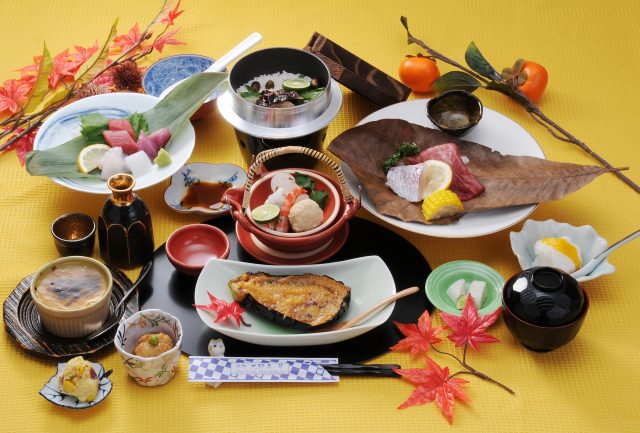
Washoku is not just food—it is a cultural tradition that emphasizes seasonal ingredients and balance.A typical meal consists of rice, soup, a main dish, and side dishes such as pickles. It is closely connected to traditional customs and seasonal events throughout the year.Washoku has been recognized as a UNESCO Intangible Cultural Heritage.
If you’d like to explore Japanese cuisine in more depth, this book is a great place to start:👉 Explore this beginner-friendly book on Japanese cuisine here.
Wagashi (和菓子)
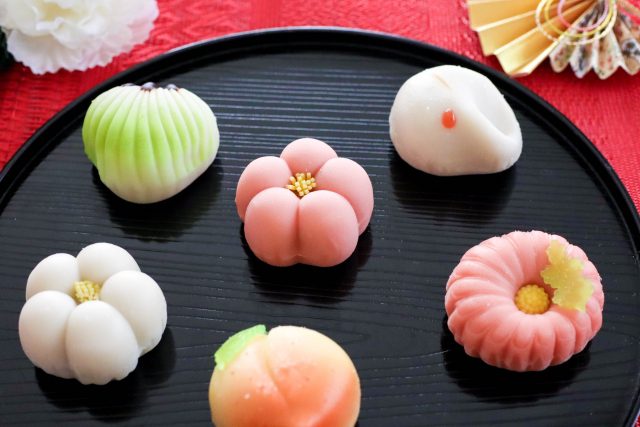
Wagashi are traditional Japanese sweets, named during the Meiji era to distinguish them from Western-style sweets.They are typically made from ingredients such as rice, beans, and sugar.Wagashi play an important role in the tea ceremony, where they complement the taste of tea.
(Asakusa)
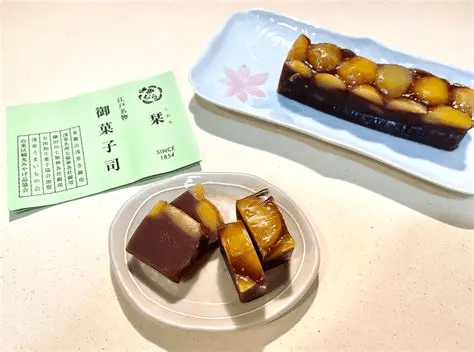
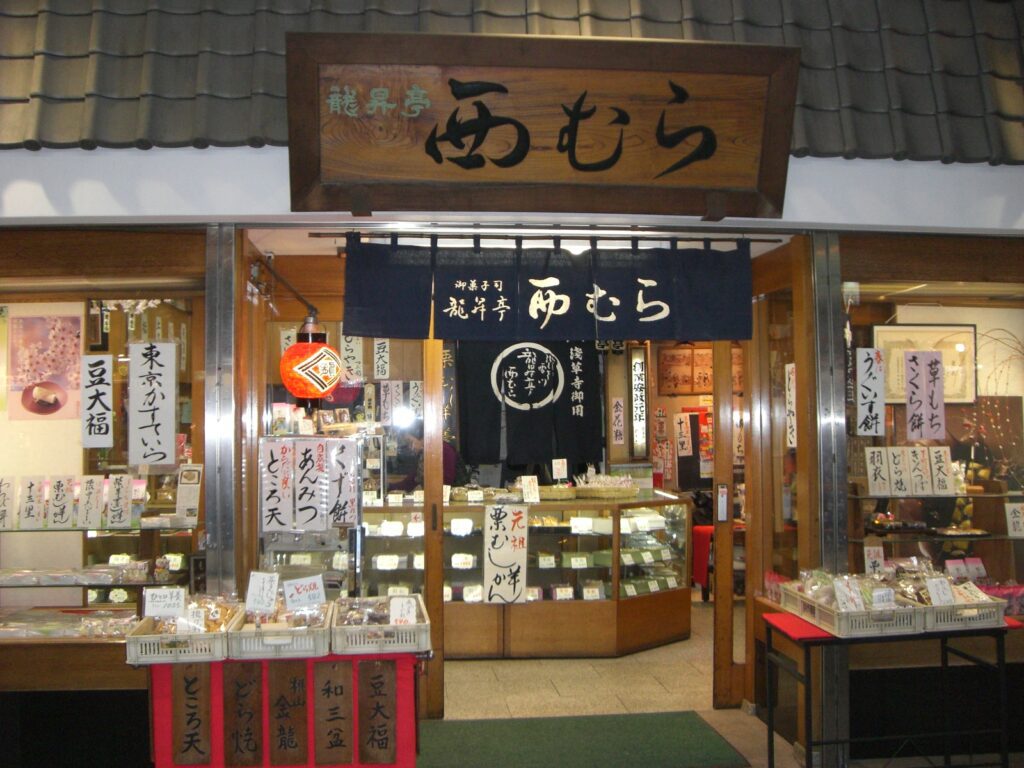
One of my favorite wagashi is kuri-mushi yokan (steamed sweet bean jelly with chestnuts), a specialty from a long-established wagashi shop in Asakusa called Ryushoutei Nishimura, which has been in business for over 170 years.
For a deeper look into Japanese sweets, this book is highly recommended.👉 Explore this beginner-friendly book on traditional Japanese sweets here.
Wafuku (和服)
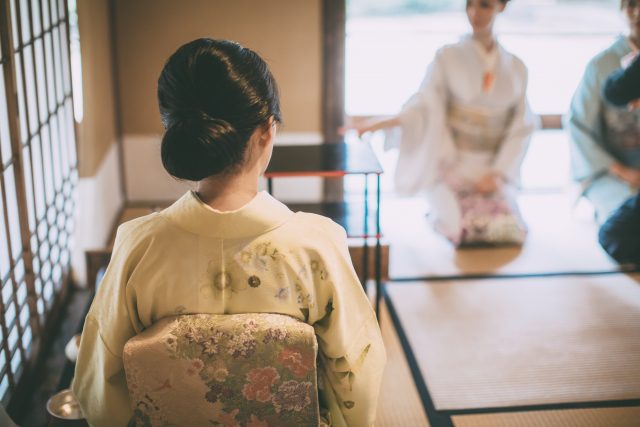
Wafuku refers to traditional Japanese clothing, including kimono.Like wagashi, the term was coined in the Meiji era to contrast with Western clothing (yofuku).These garments vary in style depending on the occasion and season.
If you are interested in traditional Japanese clothing, this book offers a beautiful introduction to the world of kimono and wafuku.👉 Explore this beginner-friendly book on Japanese clothing here.
Washitsu (和室)
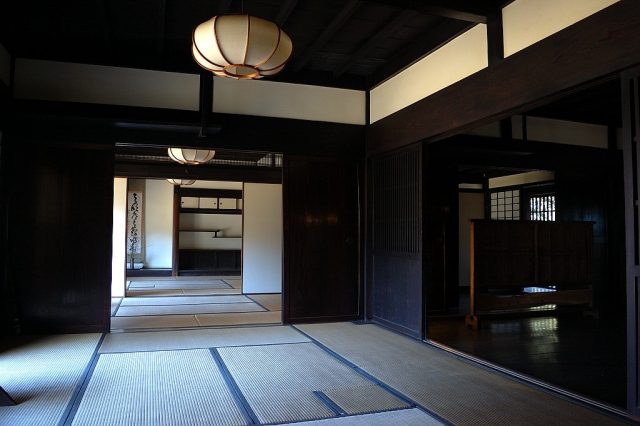
A washitsu is a traditional Japanese room with tatami flooring.The size of the room is measured by the number of tatami mats.Features often include sliding doors (shoji and fusuma) and a tokonoma alcove for displaying art or flowers.
To learn more about traditional Japanese-style rooms, this book explores the design, aesthetics, and philosophy behind these peaceful spaces.👉 Explore this beginner-friendly book on traditional Japanese room here.
Washi (和紙)
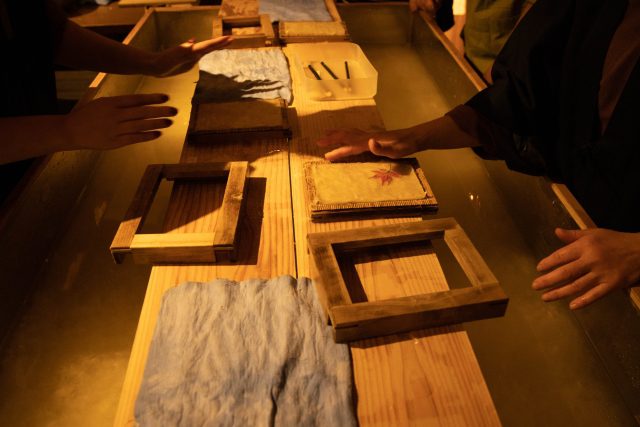
Washi is traditional Japanese handmade paper made from native plant fibers.Compared to Western paper, it is stronger, more durable, and has a unique texture.Its production process is labor-intensive, making it more valuable.
For those curious about traditional Japanese paper, this book introduces the history and craftsmanship of washi.
👉 Explore this beginner-friendly book on traditional Japanese Washi here.
Summary
Japanese people tend to value harmony, avoid conflict, respect others, and maintain social balance.These characteristics are captured in the word “Wa.”
Originating from early ethical teachings such as Prince Shotoku’s Seventeen-Article Constitution, the concept of “Wa” has developed over centuries through the blending of Shinto, Buddhism, and Confucianism.Today, “Wa” continues to shape Japanese culture and offers a key to understanding the spirit of Japan.
(Photo courtesy of Wabunka)
The concept of wa Japanese culture can also be seen in annual events in Japan.
To truly experience wa Japanese culture, you can join authentic cultural experiences through Wabunka.



コメント