Japanese culture

Words & Spirit

What is Wa Japanese Culture? Meaning of “Wa” Explained

The Meaning of Wa Japanese Culture“Wa” (和) is a key concept in Japanese culture, often described as wa Japanese culture,...
Language & Nuance

Sakura and School Life in Japan

Learn why the school year in Japan begins with sakura and what this symbolizes in Japanese culture.
Language & Nuance

Haru-Ichiban: The First Spring Wind and a Song Loved in Japan

Haru-Ichiban is the first strong spring wind in Japan. This article explores its meaning, history, and the famous song by Candies that still touches Japanese hearts.
Seasons & Traditions

Bo-Nen-Kai(忘年会): Japan’s Year-End Party to Forget the Year

Learn what a Bonenkai is, why Japanese people celebrate it, and how this year-end tradition began. A simple guide to Japan’s unique “forget-the-year” party culture.
Words & Spirit

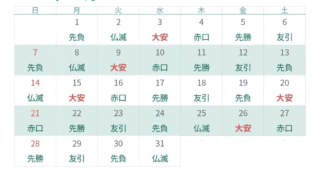
Tai-an (大安): The Day When Everything Goes Well

Discover Rokuyō, Japan’s six-day fortune calendar used to decide lucky or unlucky days for weddings, funerals, and daily events. Learn its history and meanings.
Religion & Rituals

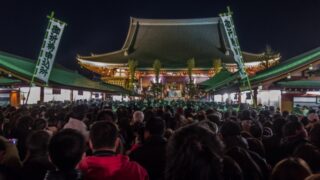
January 1st and the Beginning of the Year – The Japanese Spirit Reflected in the New Year’s Days

Explore Japanese New Year customs including Hatsu-Moude, Kito, Omamori, Osechi-Ryori, and traditional ceremonies, revealing the spiritual heart of Japan.
Religion & Rituals

Customs and Rituals at the End of the Year – Japanese Hearts Reflected There

December in Japan is full of traditional customs to welcome the New Year — from house cleaning and writing New Year’s cards to visiting temples and enjoying warm meals. Discover how Japanese people end the year with gratitude and preparation for a fresh start.
Places & Journeys

Koyo (紅葉): Autumn Foliage and the Spirit of Japanese Aesthetics

Discover the beauty of autumn leaves in Japan, where vibrant momiji reflect the Japanese sense of impermanence and the fleeting nature of life.
Religion & Rituals

“Shichi-Go-San” 七五三 : Celebration Ritual for Children

Shichi-Go-San (七五三) is a Japanese traditional celebration for children aged three, five, and seven. Families visit shrines or temples, pray for health, dress children in kimono, and take photos. Discover the rituals, history, and how even foreign visitors can experience it in Japan.
Words & Spirit

Why Do Japanese People Say “Itadakimasu”? The Meaning Behind a Simple Word

Discover the meaning of “Itadakimasu,” the Japanese phrase said before meals. Learn its history, Buddhist roots, and how it reflects Japan’s culture of gratitude.