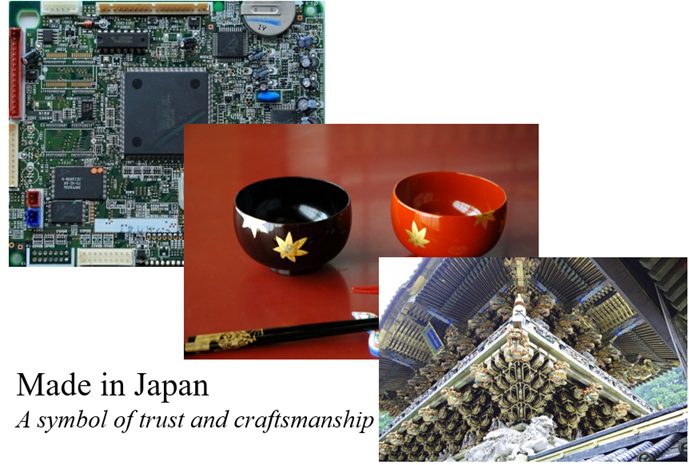
- Introduction: “Made in Japan” represents “High Quality”
- What does “High Quality” mean?
- Japanese characteristics supporting high-quality products
- Architecture of Buddhist temples and Shinto shrines
- Commitment to precision in traditional crafts
Introduction: “Made in Japan” represents “High Quality”

Japanese products are welcomed by people all over the world, and the label “Made in Japan” gives consumers a sense of trust in their high quality. These products are known not only for their user-friendly functions, but also for their safety and reliability, with very few malfunctions.
In the 1950s and 1960s, at the beginning of the modern industrial age, Japanese products were often regarded as “cheap and low-quality” by consumers in the United States. However, over the following decades, Japanese products gradually gained a reputation for high quality, supported by low failure rates, durability, safety, reasonable prices, and user-oriented design. As a result, Japanese brands achieved a high share in the global market.
Today, although Japanese products have lost the number one position in some categories, they still maintain a top reputation in terms of product quality. According to the Made-In-Country Index, Japan ranks No. 8 in global perception of product origin.
What does “High Quality” mean?
While there are many technical definitions of product quality in fields such as industrial engineering and mechanical engineering, my understanding is as follows:
(1) The product performs as expected
(2) It does not easily malfunction and can be used for a long time
(3) It ensures safety and avoids serious defects
(4) It has a refined and attractive design
Furthermore, when the expected performance matches the user’s needs, the value of the product increases significantly. Then, what has enabled Japan to produce such high-quality products in just a few decades? The answer lies not only in production systems, but also in Japanese cultural values and behavior that support these technologies.
Japanese characteristics supporting high-quality products
Japanese people are often described as cooperative, courteous, and considerate. In addition, the philosophy of Ichigo Ichie (once-in-a-lifetime encounter) encourages people to treat each moment and each interaction with sincerity. These characteristics have been shaped by traditional beliefs such as Shinto, as well as Buddhism and Confucianism from other parts of Asia. Because of these cultural traits, phenomena such as “Clean Japan” and the “punctuality of the Shinkansen” have become everyday realities. One important aspect of product quality can be seen in this mindset: care for others.

Another key aspect is craftsmanship and attention to detail. In Japan, many historical temples and artworks demonstrate highly refined techniques and precise expression. This spirit is also found in traditional crafts used in daily life.
These two characteristics—consideration for others and attention to detail—form the foundation of high-quality products.
Architecture of Buddhist temples and Shinto shrines
One of the most famous examples is Nikko Toshogu Shrine (founded in 1617), where more than 5,000 sculptures are intricately carved with vivid colors and detailed storytelling. Even after more than 400 years, these works still maintain their beauty and elegance.
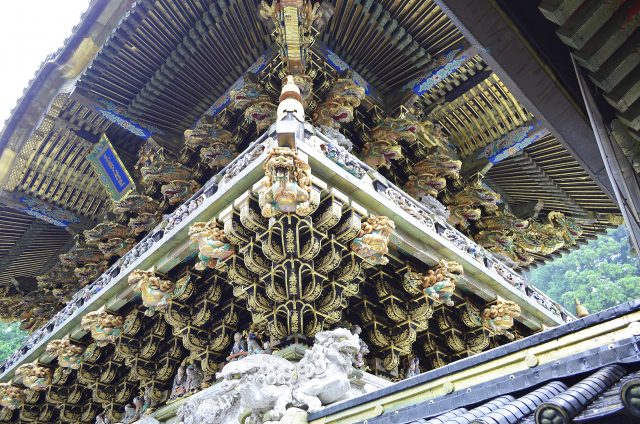
attention to detail in traditional Japanese architecture.
In Kyoto, many temples that survived World War II, such as Nishi Hongan-ji, Kinkaku-ji, and Ginkaku-ji, display extremely precise carvings and architectural details. In addition, statues of Buddha often show delicate and lifelike expressions.
These examples illustrate how deeply rooted attention to detail is in Japanese culture. While such works were created by the ruling class, similar craftsmanship can also be found in traditional tools used in everyday life.
Commitment to precision in traditional crafts
Traditional Japanese crafts for daily use clearly demonstrate this craftsmanship. They may not always be considered fine art, but they are highly refined and carefully made. These crafts are part of what is often called Japanese “Wa” culture (Wabunka), which values harmony, beauty, and attention to detail.
Urushi (lacquerware)
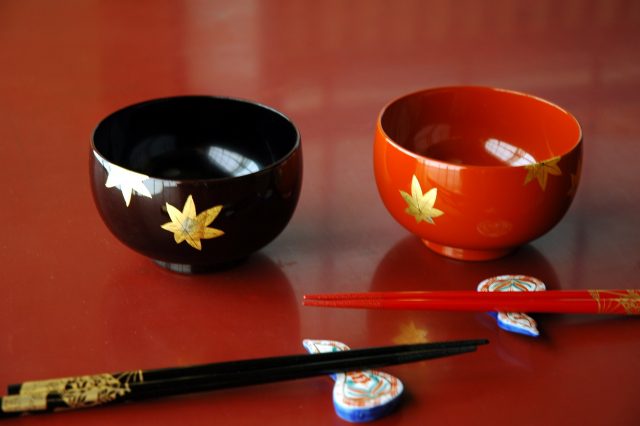
traditional Japanese urushi techniques.
Urushi ware consists of wooden items coated with natural lacquer extracted from the urushi tree. This technique dates back to the Jomon period, more than three thousand years ago. By applying multiple layers of lacquer, the products become highly durable, water-resistant, and heat-resistant. Decorative techniques such as maki-e further enhance their artistic value. For more:
Kiriko (cut glass)
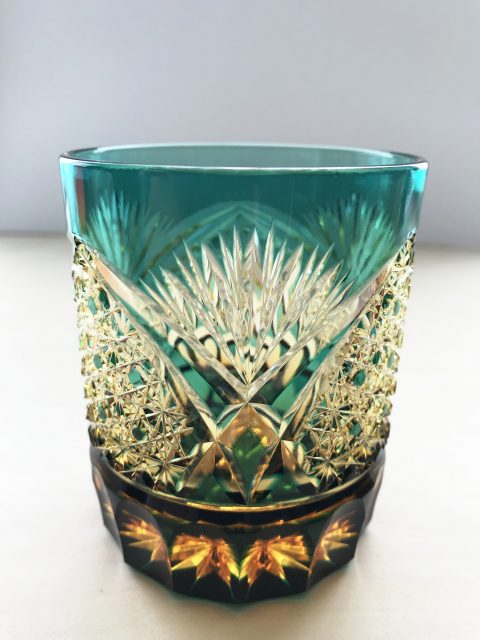
Kiriko is a glass-cutting technique that creates intricate geometric patterns. It developed through the introduction of European techniques, but evolved into a uniquely Japanese style characterized by precision and elegance. For more:
Nanbu Tekki (ironware)
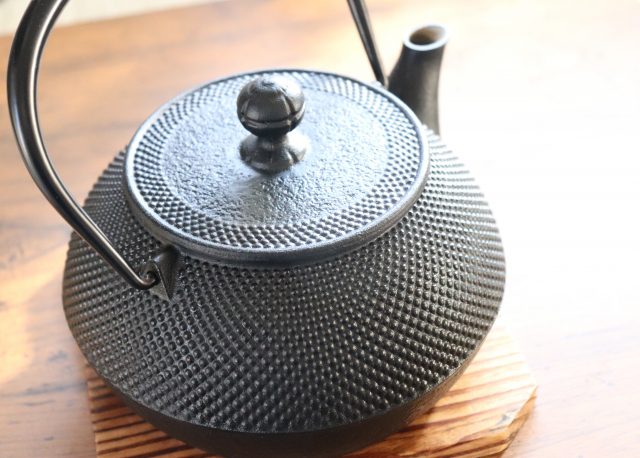
representing centuries of Japanese metalworking tradition.
Nanbu Tekki refers to ironware produced in Iwate Prefecture since the 17th century. These products are durable, resistant to rust, and feature finely detailed surface patterns. For more:
Japanese swords and kitchen knives
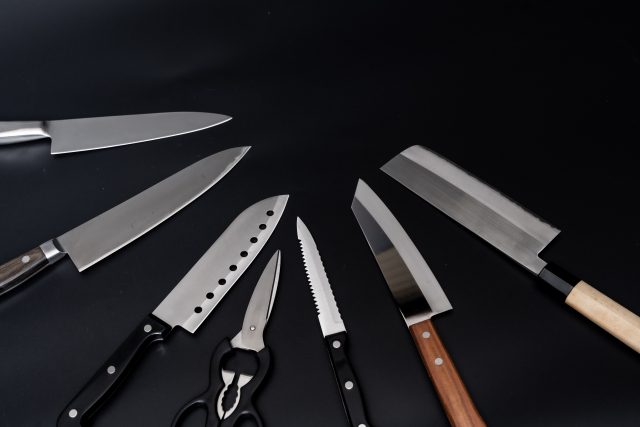
and the craftsmanship of skilled artisans.
The tradition of blade-making in Japan dates back to ancient times and was highly developed during the samurai era. By combining soft iron and steel, Japanese blades achieve both strength and flexibility. This technology continues today in high-quality kitchen knives and tools. For more:
From traditional skills to modern quality
The spirit of “monozukuri” (craftsmanship) seen in traditional architecture and crafts has been passed down to modern industry. This spirit is reflected not only in individual skills, but also in production systems.
Concepts such as “kaizen” (continuous improvement) and quality control practices are rooted in this mindset. The continuous effort to improve processes and avoid complacency allows Japanese manufacturers to maintain high standards.
Not only large corporations, but also small factories
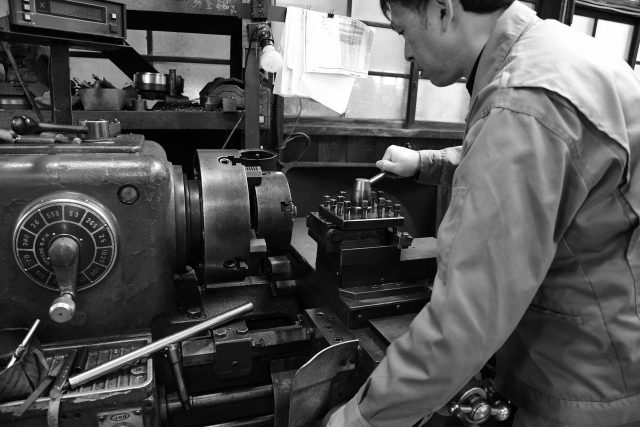
for high-quality manufacturing.
The spirit of monozukuri exists not only in large corporations, but also in small local factories. These factories play a critical role by producing highly precise components.
The novel “Shitamachi Rocket” by Jun Ikeido illustrates this idea, showing how even large companies rely on small factories with unique technologies. Although it is fiction, it reflects reality in Japan, where many small manufacturers support major industries.
Summary: The nature of “Made in Japan”
The global reputation of Japanese products as high-quality goods has made “Made in Japan” a symbol of trust. This reputation is not only the result of postwar industrial development, but also of long-standing cultural values.
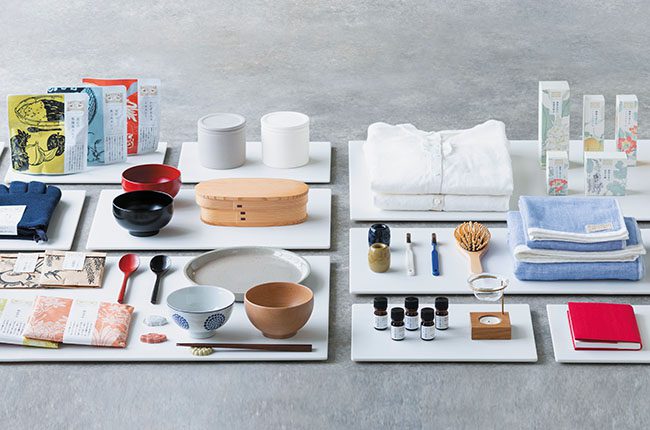
“Made in Japan”—where traditional craftsmanship meets modern design and quality.
From traditional architecture to everyday crafts, Japan has cultivated a deep respect for making things with care and precision. Combined with cultural traits such as cooperation and consideration, this has led to the creation of high-quality products.
In this sense, “Made in Japan” reflects not only technology, but also a cultural way of thinking developed over centuries.
This philosophy is not only preserved—it can still be experienced today.
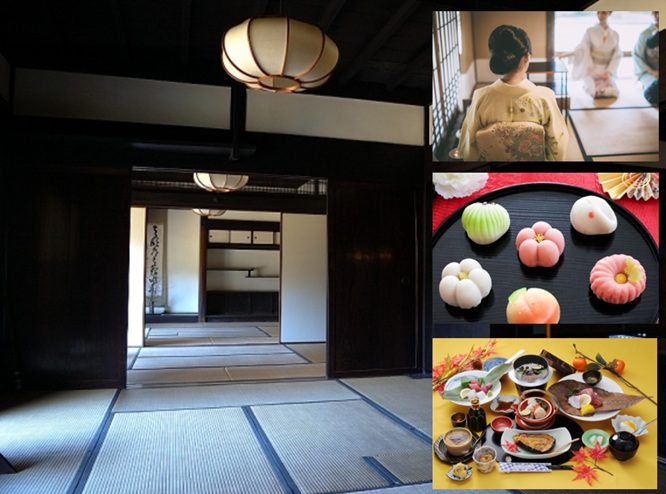
Reading about Japanese craftsmanship is one thing—but experiencing it is something entirely different. Through carefully curated cultural experiences, you can step into the world of artisans and witness the dedication behind “Made in Japan” with your own eyes.
→ Explore Authentic Japanese Craft Experiences 👉Wabunka Craft Experiences




コメント