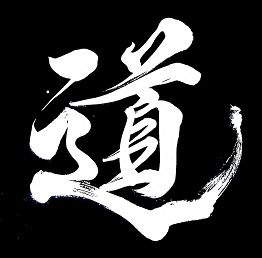
- What Does “DO” (道) Mean in Japanese Culture?
- Introduction: Why “DO” Is More Than Just a Skill
- The Philosophy of “DO” in Japan
- Judo and Kendo: Real-Life Examples of “DO”
- Three Key Elements of “DO”: Kata, Ba, and Rei Three Key Elements of “Do”: Kata, Ba, and Rei
- How “DO” Influences Modern Japanese Life and Work
- Why “Do” Still Matters in Modern Japan
- Share Your Thoughts
What Does “DO” (道) Mean in Japanese Culture?
In Japan, “DO” (道) literally means “the way.” However, its meaning goes far beyond a simple road or path. It represents a Japanese philosophy of lifelong self-discipline, personal growth, and spiritual development.
This concept is deeply rooted in Japanese culture and continues to influence both traditional practices and modern life.
Introduction: Why “DO” Is More Than Just a Skill
In Japan, many traditional disciplines include the word “DO (道),” such as:
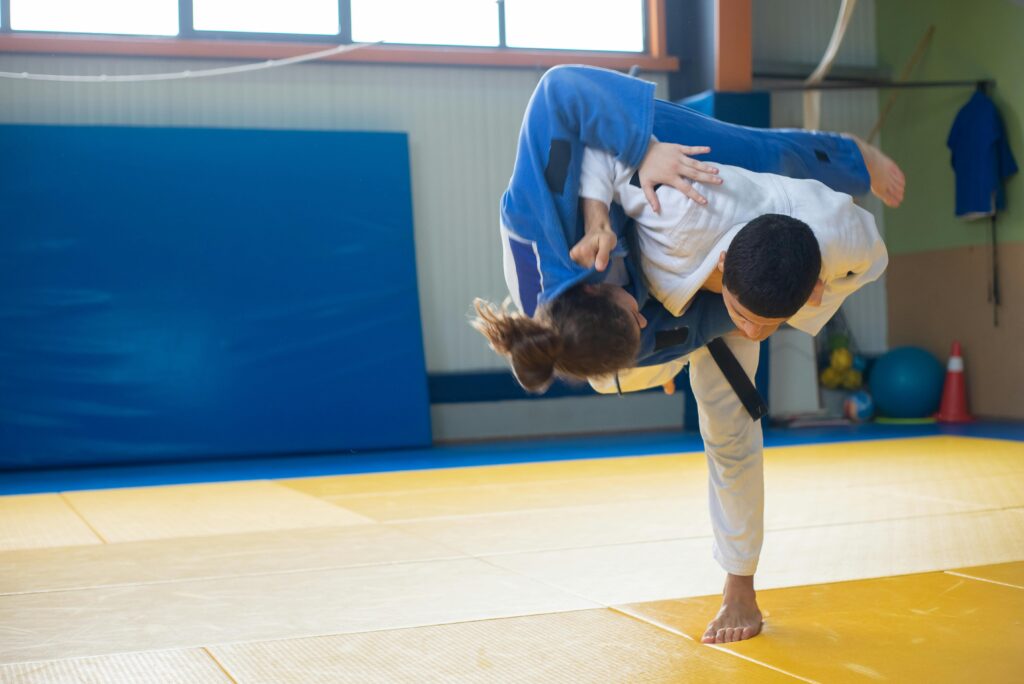
- Judo (柔道)
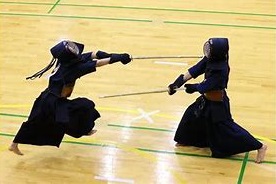
- Kendo (剣道)
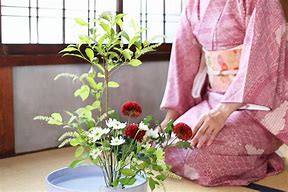
- Kado (華道 – flower arrangement)
- Sado (茶道 – tea ceremony)
At first glance, these may seem like sports or cultural activities. However, adding “DO” transforms them into something deeper. “DO” is not just about learning techniques. It is about walking a lifelong path of discipline, self-improvement, and inner growth.
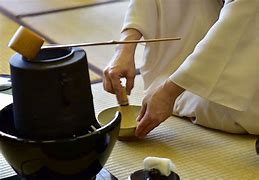
The Philosophy of “DO” in Japan

One of the most famous examples of “DO” is Bushido (武士道), the way of the samurai.This philosophy was introduced to the world by Nitobe Inazo in his book Bushido: The Soul of Japan (1900). He described “DO” as a path of ethical conduct, self-discipline, and spiritual refinement.
👉 If you’re interested in exploring this philosophy more deeply, you can read the original work here:
In everyday Japanese, “道 (michi)” means road or path. But in disciplines like Judo or Kendo, it represents a journey toward mastering both mind and character.
Even today, this philosophy is not something abstract—it is something you can experience firsthand in Japan through traditional practices.
Judo and Kendo: Real-Life Examples of “DO”
In Judo, founded by Jigoro Kano, the ultimate goal is not victory, but:
- Personal perfection
- Contribution to society
“Judo is the way of using one’s mental and physical strength in the most efficient manner. Through training and practicing techniques for offense and defense, one disciplines and cultivates body and spirit, and thereby masters the essence of this way… The ultimate goal is personal perfection and benefiting society.”
Similarly, Kendo emphasizes:
- Discipline of character
- Respect and sincerity
- Continuous self-improvement
“The concept of Kendo is to discipline the human character through the application of the principles of the katana (sword)… to cultivate a vigorous spirit, and pursue self-improvement, sincerity, courtesy, and peace.”
In both cases, “DO” is about who you become as a person—not what you achieve.
Three Key Elements of “DO”: Kata, Ba, and Rei Three Key Elements of “Do”: Kata, Ba, and Rei
To truly understand the Japanese philosophy of “DO,” it is helpful to explore three essential elements:
1. KATA (形) – Form and Repetition
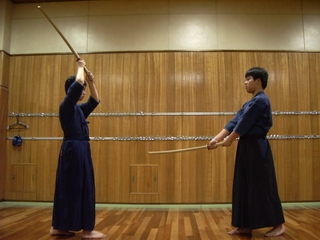
KATA refers to structured forms of movement practiced repeatedly to train the body until it moves instinctively. In martial arts like Judo and Kendo, beginners first learn KATA. The concept also exists in Sado and Kado, where apprentices learn exact movements from their masters. It extends even into traditional theater like Kabuki, crafts like swordsmithing, and service industries where newcomers are taught through form.
This idea of learning through repetition can also be seen in many aspects of Japanese life, from craftsmanship to customer service.
2. BA (場) – The Importance of Place
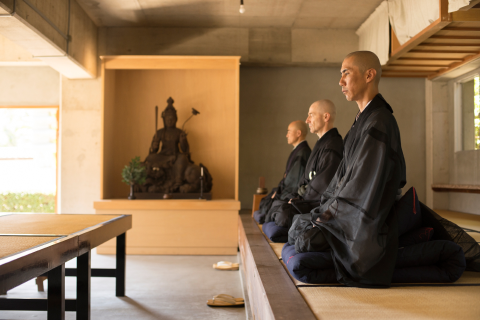
BA refers to the space where “DO” is practiced. This concept gives rise to the word DOJO (道場). Originally, a dojo was a place in Buddhist temples where monks trained through meditation and discipline. It was not simply a physical location, but a sacred environment for spiritual practice and self-cultivation. Even today, this meaning remains. A dojo is treated as a special space, separated from everyday life. Practitioners bow when entering, showing respect, humility, and readiness to learn.
In this sense, the boundary of the dojo is not only physical, but also mental and spiritual.This idea of a dedicated and respectful space is something many visitors notice when they experience Japanese culture firsthand.
3. REI (礼) – Respect and Inner Attitude
REI, often translated as “bowing,” is widely recognized as a Japanese custom used to greet, thank, or apologize. However, in the context of “DO,” REI goes far beyond outward manners.
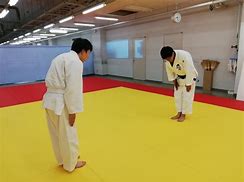
It represents a deep sense of respect—toward one’s teacher, fellow practitioners, and the space itself. In disciplines such as Judo and Kendo, practitioners bow not simply as a formality, but as an expression of humility, awareness, and gratitude.
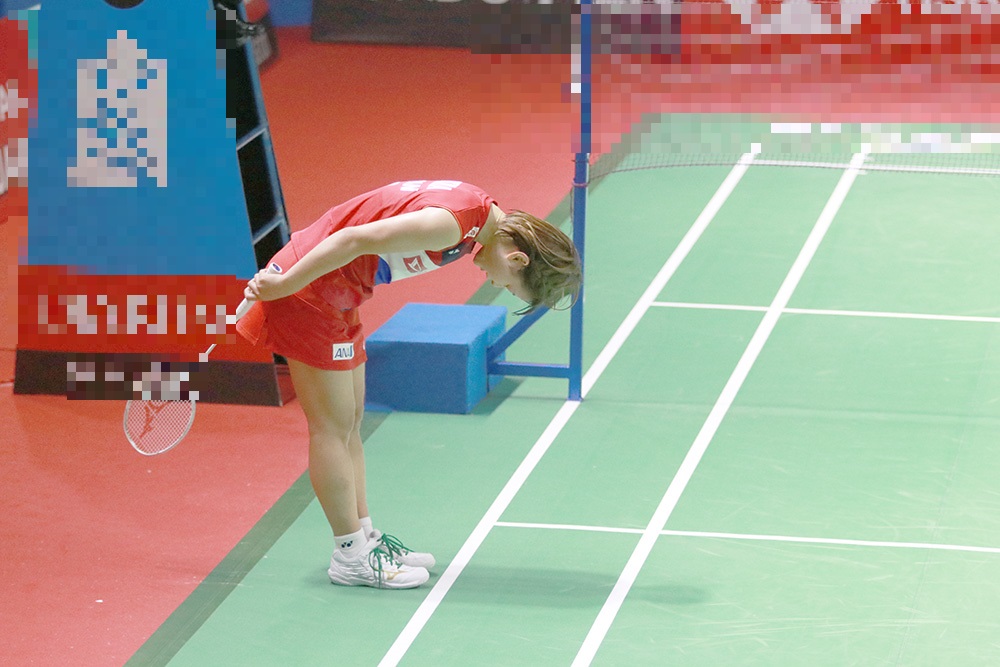
This inner attitude naturally appears in behavior. For example, athletes may bow before entering the field, carefully handle their equipment, or quietly pick up trash without being asked. These actions are not rules—they are reflections of an internalized respect.
This spirit of REI extends beyond martial arts into everyday life in Japan. It shapes how people interact with others, objects, and even the environment around them.
In this sense, REI is not just something you do—it is something you embody.
How “DO” Influences Modern Japanese Life and Work
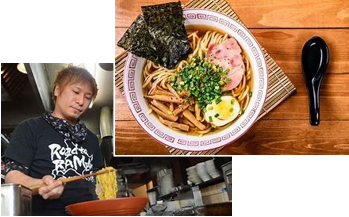
In modern Japan, the philosophy of DO continues to influence not only traditional arts but also everyday work and lifestyle.
Some business owners describe their approach as “Shigoto-DO” (the Way of Work), emphasizing dedication, craftsmanship, and continuous improvement. One ramen shop owner refers to his philosophy as ‘Ramen-DO.’ These expressions reflect a shared understanding among Japanese people that DO involves discipline, passion, and continuous improvement.
This mindset is closely related to other Japanese ideas such as “Ichigo Ichie” (treasuring each moment) and “Itadakimasu” (gratitude), which also reflect a deeper awareness in daily life.
Why “Do” Still Matters in Modern Japan
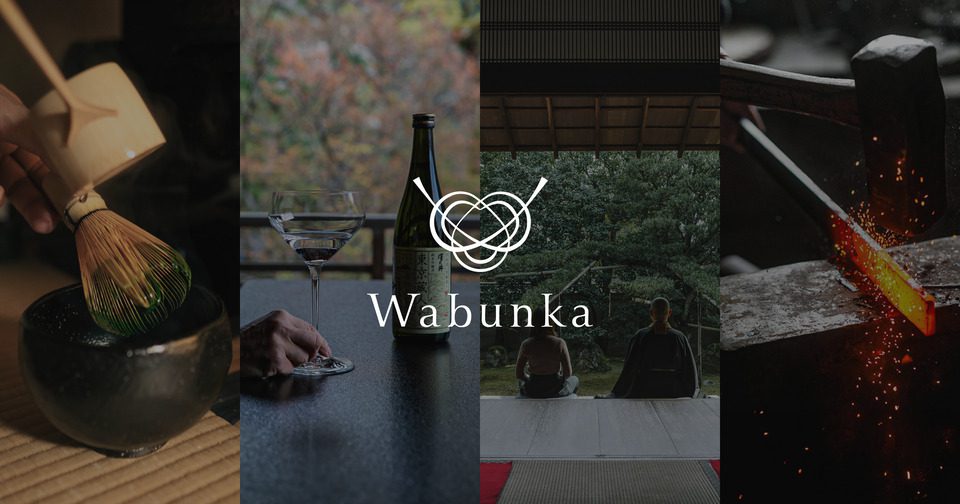
& Calligraphy in Japan(Photo courtesy of Wabunka)
“DO” is not just a concept to understand—it is something to experience. Whether through the quiet discipline of tea ceremony, the structured beauty of flower arrangement, or the focused intensity of martial arts, “DO” offers a unique way to connect with Japanese culture on a deeper level.
If you would like to experience the spirit of “DO” for yourself, Japan offers many opportunities to engage in traditional practices. 👉 Explore authentic cultural experiences through Wabunka such as:
• Tea ceremony (Sado), where every movement has meaning
• Calligraphy (Shodo), a path of expression through brush and ink
• Flower arrangement (Kado), reflecting harmony with nature
• Martial arts (Budo), where discipline shapes both body and mind
By stepping into a “DO” experience, you may begin to understand not only Japanese culture—but also a new way of seeing yourself.
Share Your Thoughts
Have you experienced something similar in your own culture?
Your reflections are welcome.
💬 Jump to the comment section


コメント