What Sakura Means to the Japanese
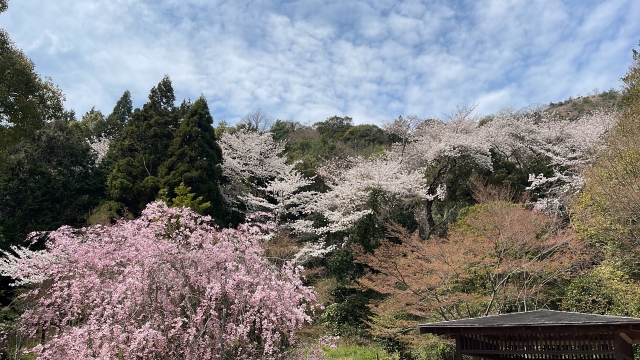
Sakura lives in the Japanese heart
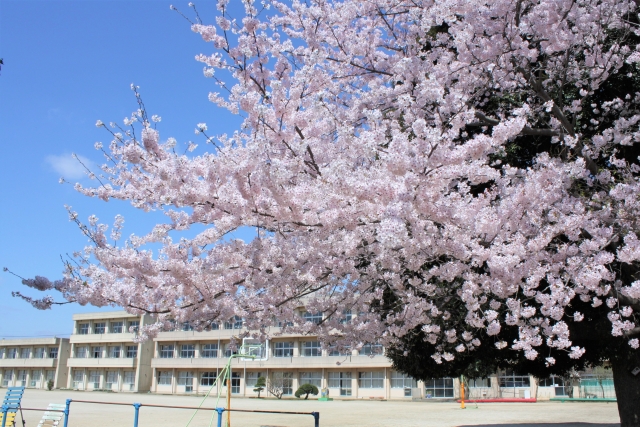
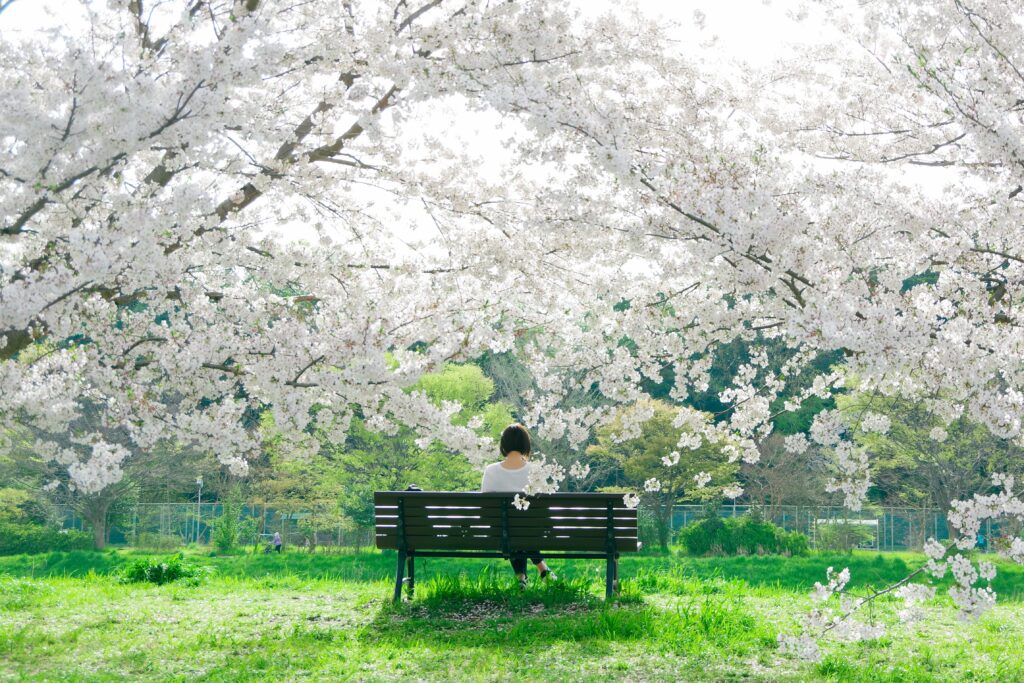
For Japanese people, cherry blossoms—sakura—hold a very special place in the Japanese heart. These pale pink flowers are not only beautiful, but they also bring back cherished memories from the past: time spent with friends, teachers, and classmates during school days, when sakura trees bloomed across school grounds. In fact, most schools in Japan plant sakura trees, which seem to gently watch over students each spring.
Sakura also evoke more somber emotions. Their short-lived full bloom reminds some of the young kamikaze pilots of World War II, whose lives ended as fleetingly as the blossoms themselves.
For more, please refer to my previous post, “Sakura: More Than Just Blooms.”
The Arrival of Spring in Japan
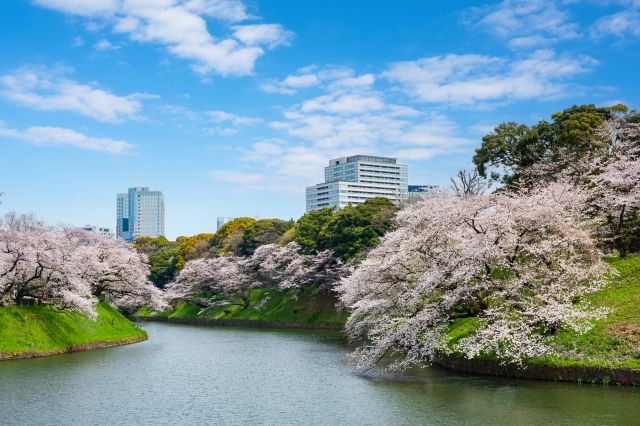
Today, sakura bloom all across Japan in March and April, marking the transition from the cold winter to the warm, sunny days of spring. People gather in parks and along riversides to enjoy the cherry blossoms and welcome the season with joy and hope.
While everyone has their own way of enjoying cherry blossoms, one tradition is shared by many: hanami.
What Is Hanami?
The word hanami literally means “flower viewing,” but it specifically refers to enjoying cherry blossoms—often with a picnic under the trees, surrounded by family or friends. People stroll beneath the blossoms, take photos, eat seasonal food, and enjoy drinks in the fresh spring air.
In Tokyo, you can experience hanami in famous cherry blossom spots such as Ueno Park, the banks of the Sumida River in Asakusa, and Chidorigafuchi near the Imperial Palace. However, you don’t have to be in a big city—hanami can be enjoyed almost anywhere in Japan during cherry blossom season.
If you would like to experience hanami in a deeper and more meaningful way, cultural experience platforms such as Wabunka offer guided opportunities to enjoy traditional Japanese seasonal culture, including cherry blossom viewing in authentic settings.
Who Participates in Hanami?
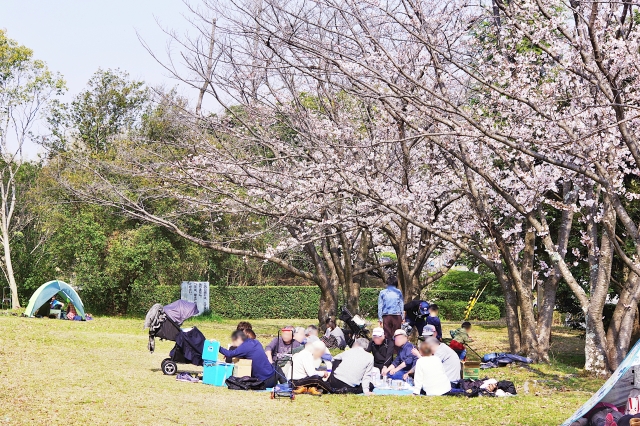
Everyone—from families and students to company employees—enjoys hanami in Japan. Family gatherings often feel like cheerful spring picnics. I myself have fond memories of having hanami picnics with my children and grandchildren in the park near my home.
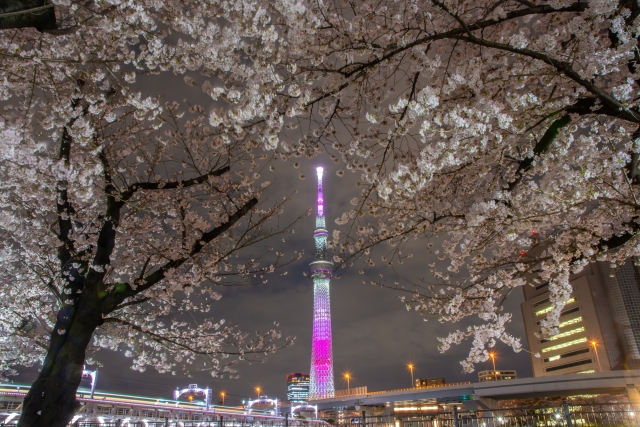
In city parks, however, the atmosphere changes as evening comes. Student groups and office workers gather, and alcohol often becomes part of the event. Many popular hanami spots provide nighttime lighting so visitors can continue enjoying the cherry blossoms after dark. As the lights glow and the drinks flow, the atmosphere becomes festive—but sometimes excessive.
Reserving Space for Hanami
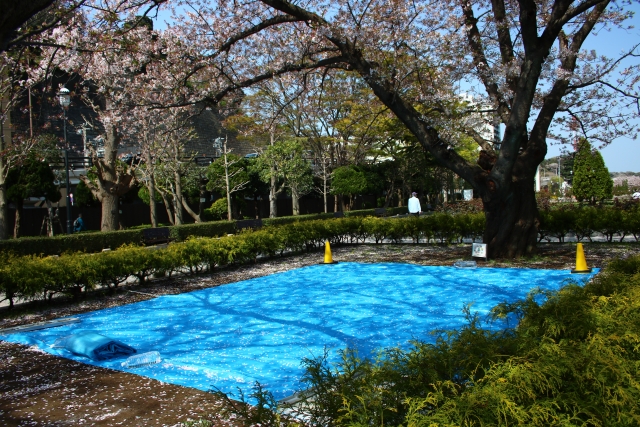

Because hanami season lasts only about a week during peak bloom, securing a good spot in a popular park can be competitive. Companies often send junior staff—known as rookies—to reserve spaces early in the day for evening parties.
I still remember my own experience as a new employee about 50 years ago. I was sent to Ueno Park in the morning to hold a space for our company’s hanami gathering later that day. According to TV news reports, this tradition still continues today.
The Problem with Night Hanami
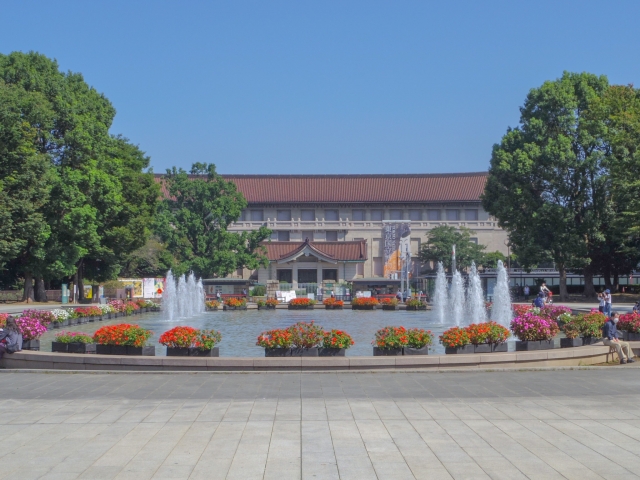
Ueno High School, where I graduated, is located in the north-west area of Ueno Park, one of the most famous cherry blossom viewing spots in Tokyo. The area is also home to Ueno Zoo, Tokyo University of the Arts, the Tokyo National Museum, and the National Museum of Nature and Science—making it one of Japan’s most culturally rich parks.
As a student, I used to enjoy the quiet cultural atmosphere during my morning walk to school. But during hanami season, that peace was often disrupted by the lingering smell of alcohol and piles of trash left behind from the previous night.
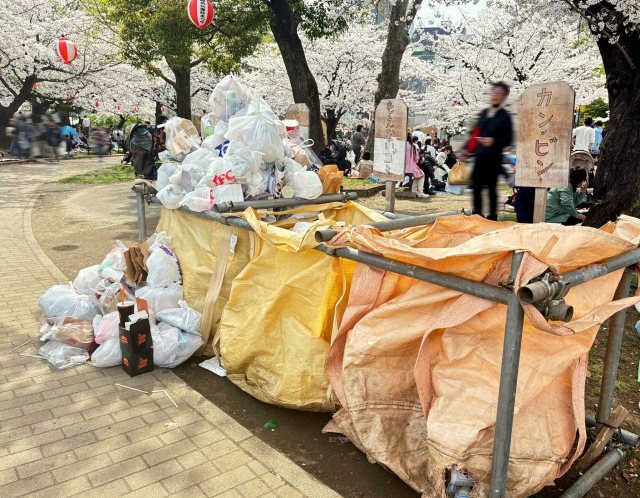
It made me sad—not only for myself but also for the sakura. While I am proud of the Japanese custom of cleaning public spaces (as I mentioned in my earlier post, “Why Japan Is So Clean”), I feel disappointed when people drink excessively and forget to care for the environment. Please, if you attend a hanami party, enjoy yourself—but do so responsibly.
Sakura as a Marketing Tool
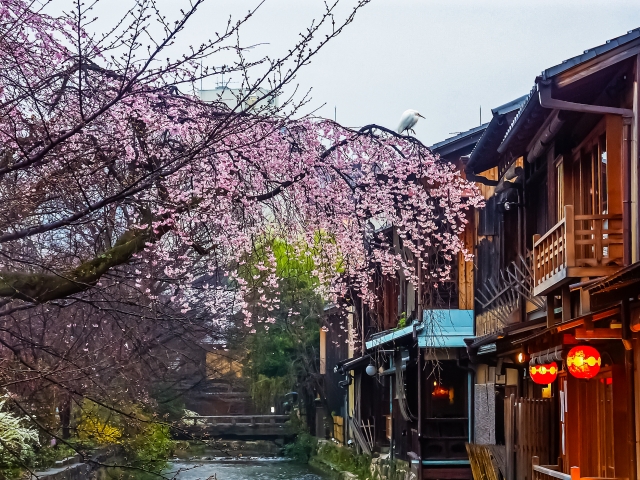
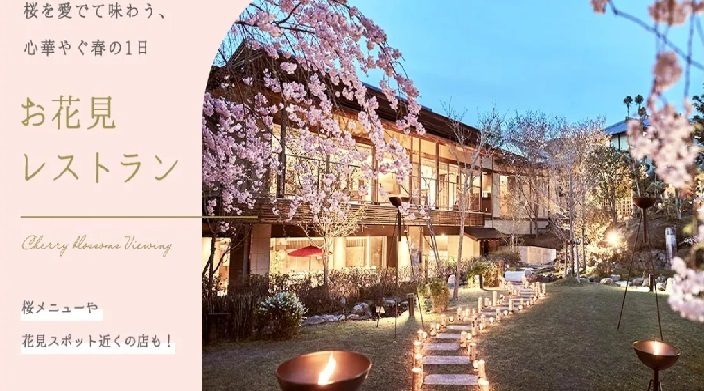
Despite some concerns, enjoying seasonal food and drinks while viewing sakura is a joyful experience for many. Restaurants, cafés, and hotels located near cherry blossom spots often offer special seasonal menus and events.
These sakura-themed promotions have become an effective spring marketing strategy in Japan. If you’re visiting during this season, search for “花見 スペシャルメニュー (Hanami Special Menu)” online to find unique seasonal offerings near you.
The Origins of Hanami
The Tale of Genji and Early Traditions
Hanami has a long history in Japan. The earliest recorded event resembling hanami dates back to the year 812, when Emperor Saga held a flower banquet (kaen) at Shinsenen Garden in Kyoto. Originally, hanami was associated with ume (plum) blossoms, which bloom earlier in the year. The Man’yōshū, Japan’s oldest poetry collection from the 7th–8th centuries, also contains many poems about plum blossom viewing.
However, during the Heian period (794–1185), sakura became the central focus of hanami culture. This transition is reflected in The Tale of Genji, Japan’s oldest romance novel written in the 11th century.
Daigo-no-Hanami
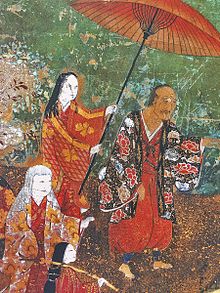
One of the most spectacular historical hanami events was Daigo no Hanami, hosted by Toyotomi Hideyoshi, the powerful samurai leader who unified Japan in the late 16th century. At this grand celebration at Daigo-ji Temple in Kyoto, over 1,300 guests—including nobles and warriors—attended the flower-viewing party.
Hanami for the Common People
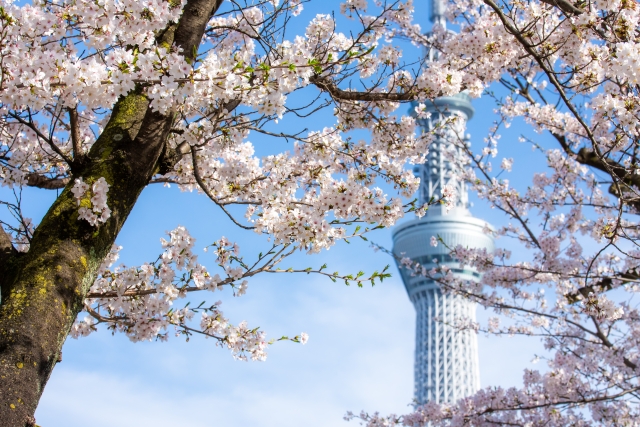
Originally a custom of the aristocracy and samurai class, hanami gradually spread to the general public during the Edo period (1603–1868). Tokugawa Yoshimune, the eighth shogun, ordered the planting of sakura trees in areas such as Sumida River and Asukayama.
As transportation improved, more people were able to travel, and hanami soon became a nationwide tradition enjoyed by all social classes.
Final Thoughts
Sakura and hanami remind us that spring has arrived, offering warmth, renewal, and the promise of a brighter future. For many Japanese people, hanami is not just about viewing cherry blossoms—it is a celebration of life, dreams, and seasonal beauty.
For readers who would like to explore Japan’s seasonal culture in a broader context beyond cherry blossoms, books such as Seasons of Japan: Living with Nature’s Rhythm offer a deeper look into how Japan’s four seasons shape traditions, daily life, and cultural values throughout the year.
If you ever visit Japan during cherry blossom season, I highly recommend experiencing hanami for yourself. Sit under the blooming trees, enjoy seasonal food and atmosphere, and let the sakura lift your spirits. And please—remember to respect others, clean up after yourself, and appreciate the beauty with gratitude.


コメント