What Are Bon Holidays in Japan?
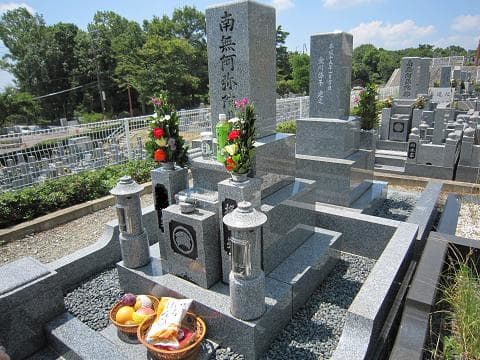
In Japan, there is a custom of taking consecutive holidays around mid-August, known as Bon holidays or Obon holidays. These holidays usually last from about four days to one week. During this period, many companies and shops—both large and small—close their offices to allow employees to return to their Furusato (hometown). People visit their parents and grandparents, pay respects at their family graves, and reconnect with relatives and old friends.
While some people take this opportunity to travel, the original purpose of the Bon holidays is to return home and honor one’s ancestors. As explained in the following sections, Obon is one of the most important seasonal events in Japan. It reminds people of their ancestors, their Furusato, and their family history.
(For more about “Furusato,” please see the related article.)
When Is Obon? July vs August
Obon is a Buddhist observance, and its timing and customs vary depending on the region and Buddhist sect. Originally, Obon was held on the 15th day of the 7th month of the lunar calendar, which was traditionally used in East Asia. When Japan adopted the solar calendar in 1872, the dates shifted. However, many regions continued to observe Obon based on the lunar calendar.
Today, Obon is celebrated in July in some areas (especially Tokyo), while in most parts of Japan it is observed in August. As a result, many companies schedule holidays around August 15, often referred to as “Old Bon.”
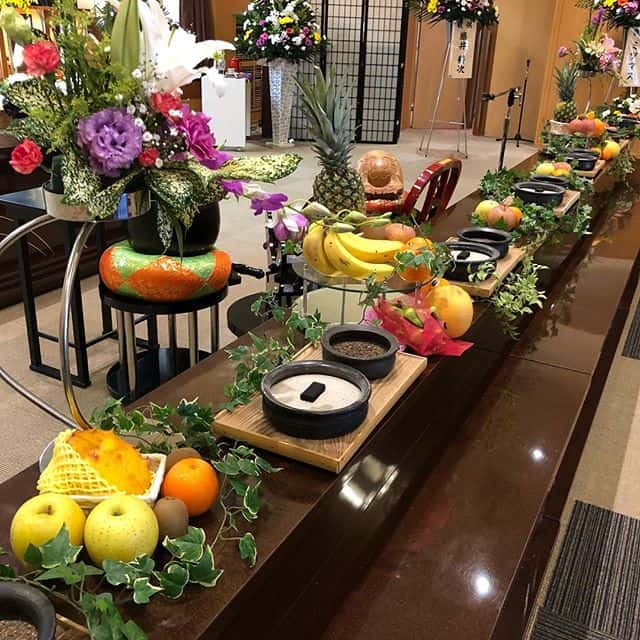
During Obon, people pray for their deceased family members and ancestors by offering flowers, fruits, and vegetables on household altars or at graves, expressing gratitude for the lives they live today.
Travel Tips: Obon Is One of the Busiest Seasons



During the Obon holidays, transportation across Japan becomes extremely crowded. Shinkansen trains, airports, highways, and even hotels are often fully booked, similar to the New Year holidays and Golden Week in May. Many Japanese people travel with their families or return to their Furusato, which significantly increases traffic nationwide.
If you are planning to visit Japan in August, it is highly recommended to book transportation and accommodation well in advance, or consider adjusting your travel schedule to avoid peak dates.
The Origin of Obon: The Ura-Bon-Kyo Sutra
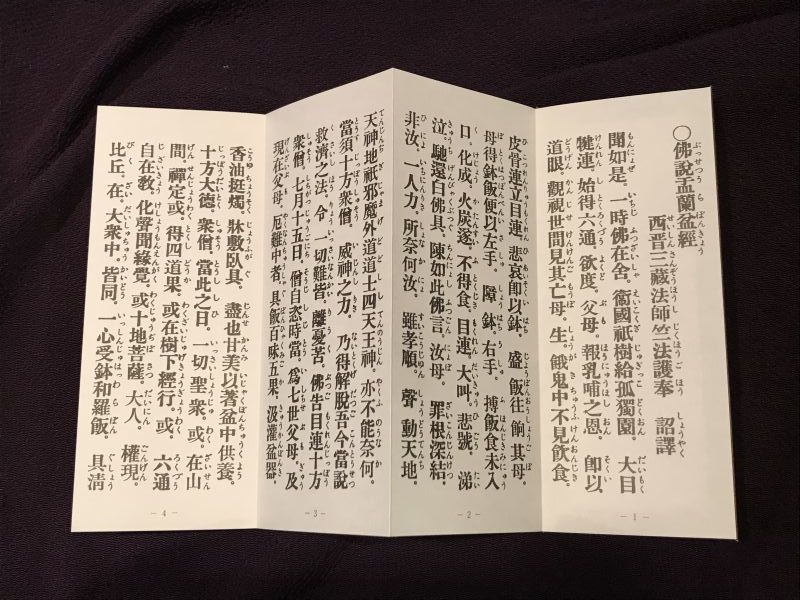
The word “Bon” is derived from Ura-Bon-E (盂蘭盆会), a Buddhist ritual held to pray for deceased family members and ancestors. According to the Ura-Bon-Kyo (盂蘭盆経), one of the Buddhist sutras, a disciple of the Buddha named Mokuren sought to save his mother, who had fallen into a world of suffering. The Buddha advised him to offer food to monks on the 15th day of the 7th month, at the end of their summer retreat (ango).
By following this practice, Mokuren’s mother was released from her suffering. This story teaches that making offerings to monks and ancestors can help free the spirits of the deceased and bring blessings to the living. This belief spread from India to China and later to Japan, where it became the foundation of Obon.
The History of Obon in Japan
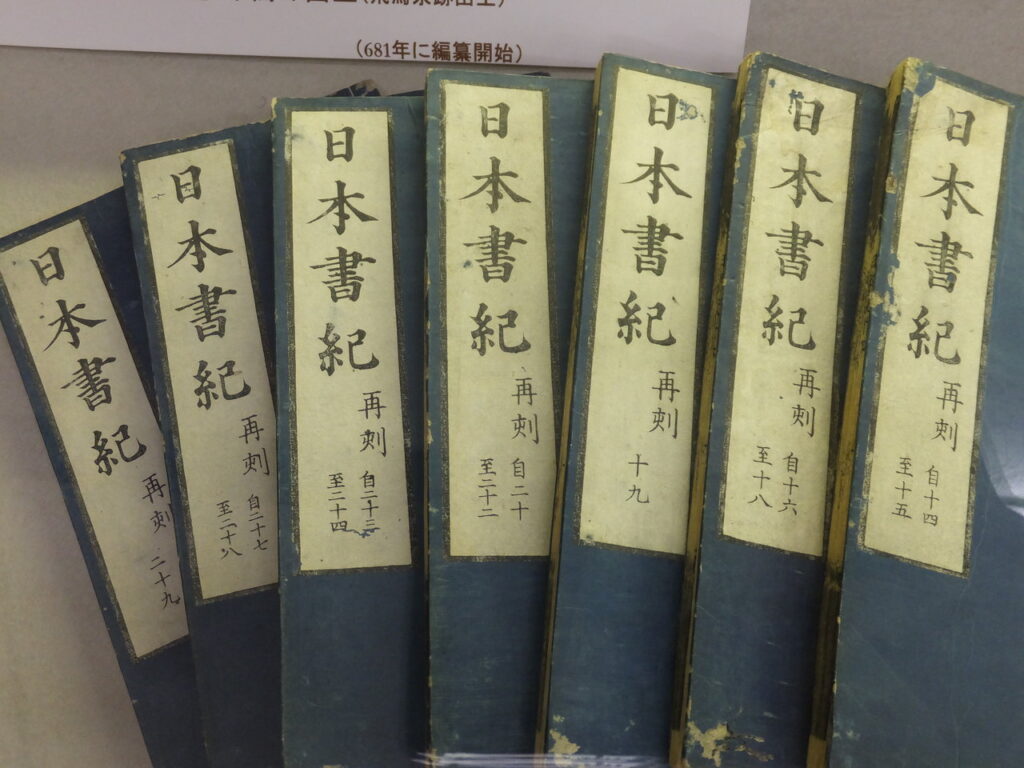
In Japan, Obon gradually developed into a widespread cultural and religious practice. According to the Nihon Shoki (Chronicles of Japan), Emperor Saimei held an official Ura-Bon-E ceremony at temples in Kyoto in the year 657. During the Nara and Heian periods (8th to 12th centuries), these rituals became part of state ceremonies.
By the Kamakura period (12th to 14th centuries), the practice expanded to include prayers not only for one’s ancestors but for all deceased spirits. Over time, Obon spread throughout the country and became a deeply rooted tradition in Japanese society.
Obon Traditions: Welcoming the Spirits of Ancestors
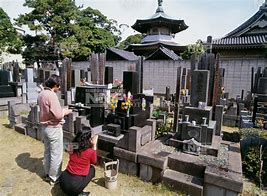
Modern Obon customs are a blend of Buddhist practices and Japan’s indigenous beliefs in ancestor spirits. Many Japanese people believe that the spirits of their ancestors return home during Obon. These spirits are thought to protect and guide the living, and there is a strong cultural respect for family lineage.
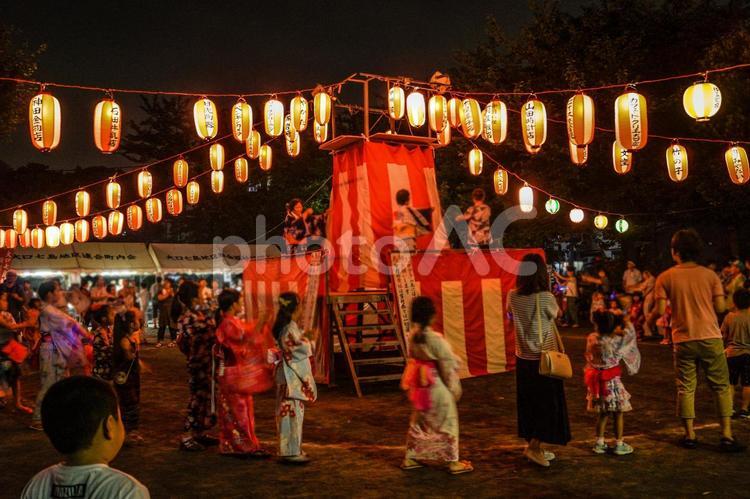
During this period, people visit family graves (haka-mairi), clean the graves, and offer flowers and food. They also pray at Buddhist temples and home altars to express gratitude and remembrance. In some regions, Bon Odori (Bon dance festivals) are held, where communities gather to celebrate and welcome the spirits of the ancestors in a joyful atmosphere.
This attitude of respect and gratitude toward ancestors reflects a deeper Japanese way of thinking. It is connected to the concept of “DO” (the way), where even ordinary actions are performed with mindfulness, sincerity, and a sense of continuous self-improvement.
Summary: The Meaning of Obon in Modern Japan
Like Sakura in spring and Koyo in autumn, Obon marks a meaningful moment in the Japanese year—when people not only appreciate the season, but also turn their thoughts to family, ancestors, and the roots of their lives.
In Japan, even people who do not strongly identify as religious understand the meaning of Obon and how it should be observed. Whether in July or during the “Old Bon” period in August (typically from August 13 to 16), many people visit temples and family graves to pray for their ancestors and deceased family members.
During this time, many companies close so that people can return to their hometowns. Obon is not only a religious observance but also an important cultural tradition that reconnects people with their families, their Furusato, and their roots.
Share Your Thoughts
Have you experienced something similar in your own culture?
Your reflections are welcome.
💬 Jump to the comment section



コメント