What Is a Goshuin?
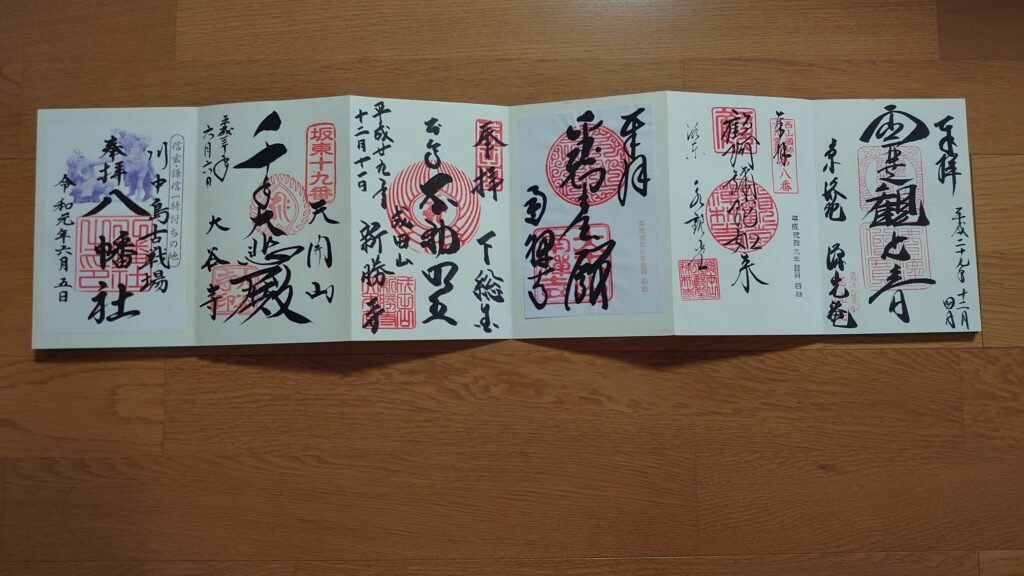
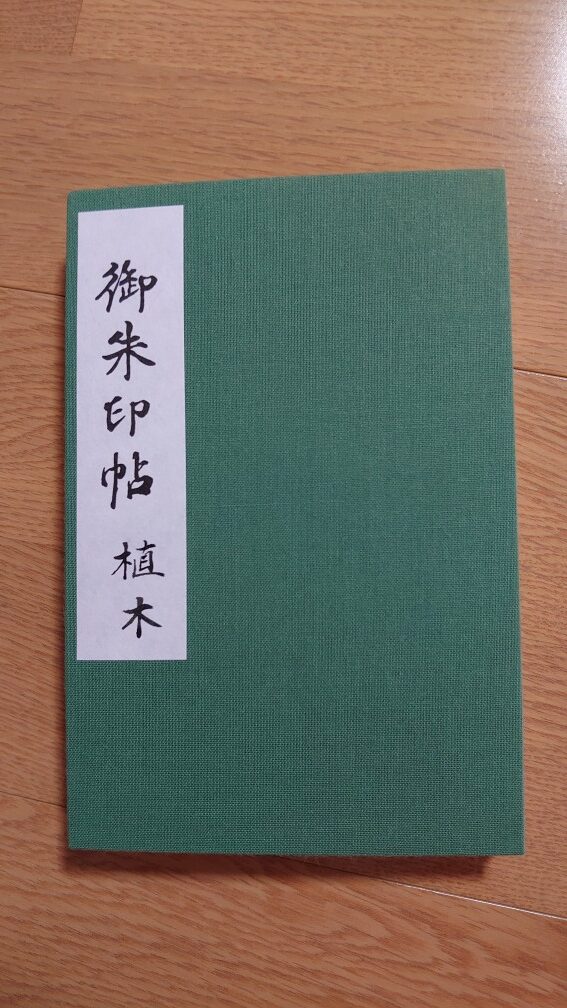
book used to collect
goshuin from temples and shrines across Japan.
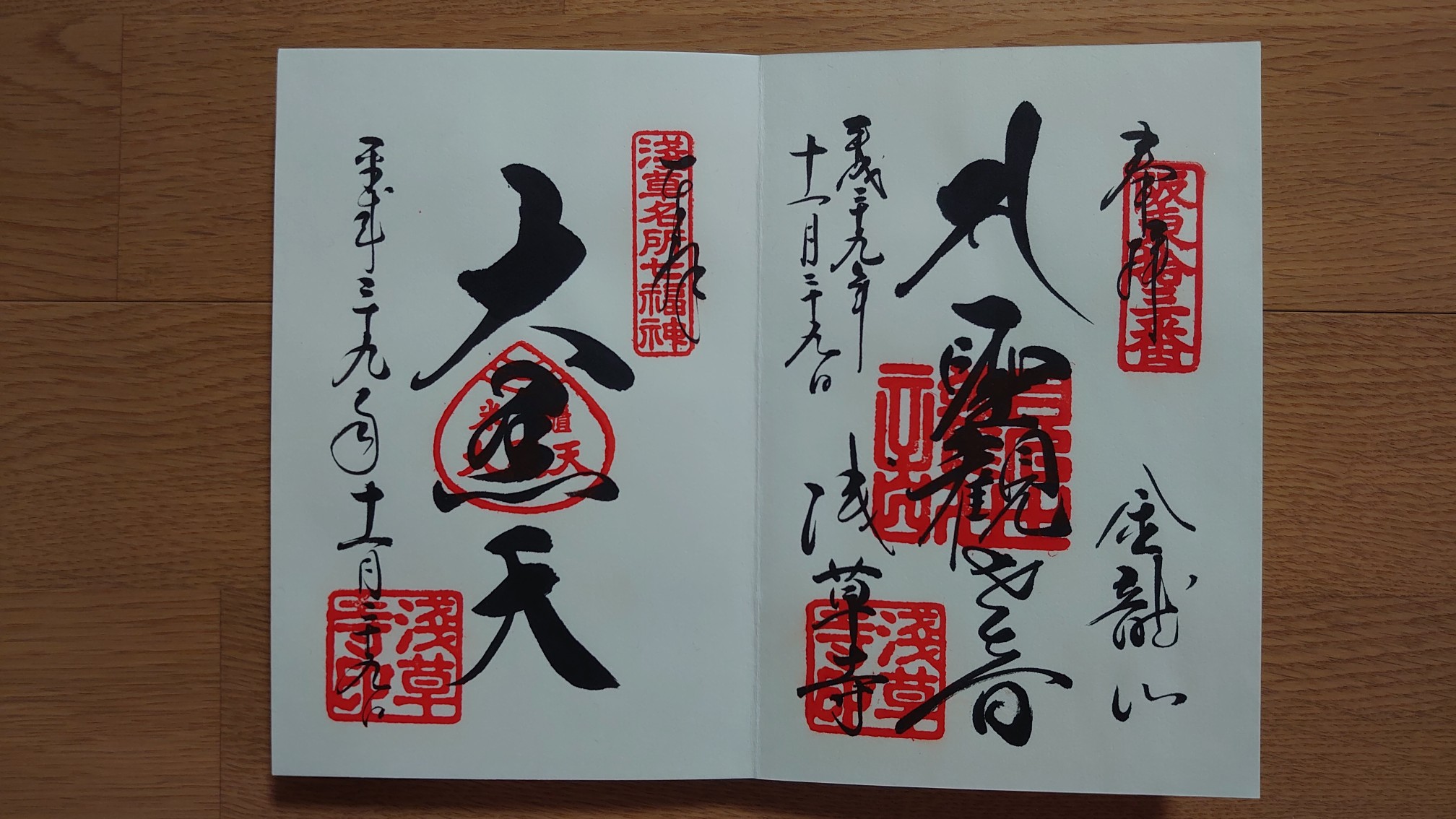
A Goshuin (御朱印), sometimes simply called Shuin (朱印), is a sacred seal stamp received at a Japanese temple or shrine as a record of one’s visit. Traditionally, it was given to those who offered a handwritten copy of a sutra (Shakyo 写経). Today, visitors who show proper respect can receive a Goshuin, beautifully inscribed in a special notebook.
The seal, usually a rich vermilion color, is accompanied by elegant black calligraphy. For temples, it typically includes the name of the principal image (Gohonzon) enshrined there; for shrines, it usually features the name of the shrine itself, along with the date of the visit. These are not machine-made stamps — they are written by temple or shrine staff, often monks or priests, and are unique to each place.
Each Goshuin is not just a stamp, but a unique piece of spiritual art. The seal, usually in rich vermilion ink, is paired with elegant black calligraphy. For temples, it often includes the name of the principal image (Gohonzon); for shrines, it typically shows the shrine’s name along with the date of the visit.
Unlike ordinary stamps, Goshuin are handwritten by temple or shrine staff — often monks or priests — making each one a one-of-a-kind expression of place and spirit.
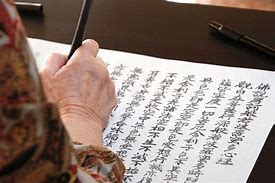
Buddhist sutras by hand, an act of
focus and devotion.
A Practice Rooted in Faith
The origin of Goshuin dates back to the late Heian period (12th century). Buddhist pilgrims would visit sacred sites and offer handwritten sutras (Shakyo) as an act of devotion. In return, they received a seal in their Nokyo-cho (納経帳), or “sutra dedication book,” as proof of their faith.
If you would like to learn more about this practice, you can explore our article on Shakyo, where we explain its meaning, process, and spiritual significance in Japanese culture.
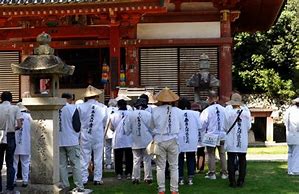
in front of a temple, expressing
their faith and respect.
Copying sutras was not only a religious offering but also a form of spiritual discipline. Even during the Edo period (17th–19th centuries), when Goshuin became more accessible, this practice of devotion remained deeply respected.
Some Goshuin still include phrases such as 奉納大乗経典 (“Dedication of the Mahayana Sutra”) or 奉拝 (“Respectful Worship”), reflecting their sacred origins.
Goshuin vs. Tourist Stamps: A Cultural Distinction
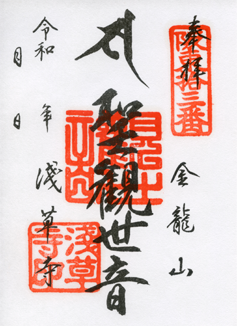
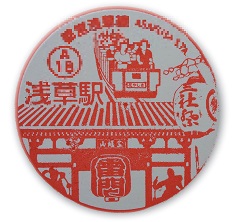
In recent years, collecting Goshuin has become popular among both Japanese visitors and international travelers. Many are drawn to their beauty — the striking contrast of vermilion stamps and flowing calligraphy.
However, Goshuin are sometimes mistaken for tourist or train station stamps (known as “Eki Stamps”). While they may look similar at first glance, their meaning is entirely different.
Goshuin are not souvenirs, but religious artifacts — sacred records of a spiritual encounter. They should be received with respect and gratitude.
How to Receive a Goshuin Respectfully
If you are interested in Japanese spiritual practices, you may also come across Omamori — small protective charms commonly found at temples and shrines. Like Goshuin, they are not mere souvenirs but meaningful items connected to faith and daily life.
To receive a Goshuin respectfully, please keep the following etiquette in mind:
- First, visit the temple or shrine and offer your respects.
- Use a Goshuin-cho (御朱印帳), a special notebook for collecting Goshuin.
- Be polite and patient; avoid rushing or making demands.
- Offer a small fee (typically 300–500 yen). This is not a “price,” but a gesture of appreciation.
- Do not request personalization — Goshuin are sacred records, not custom souvenirs.
Understanding the Name “Shuin” (朱印)
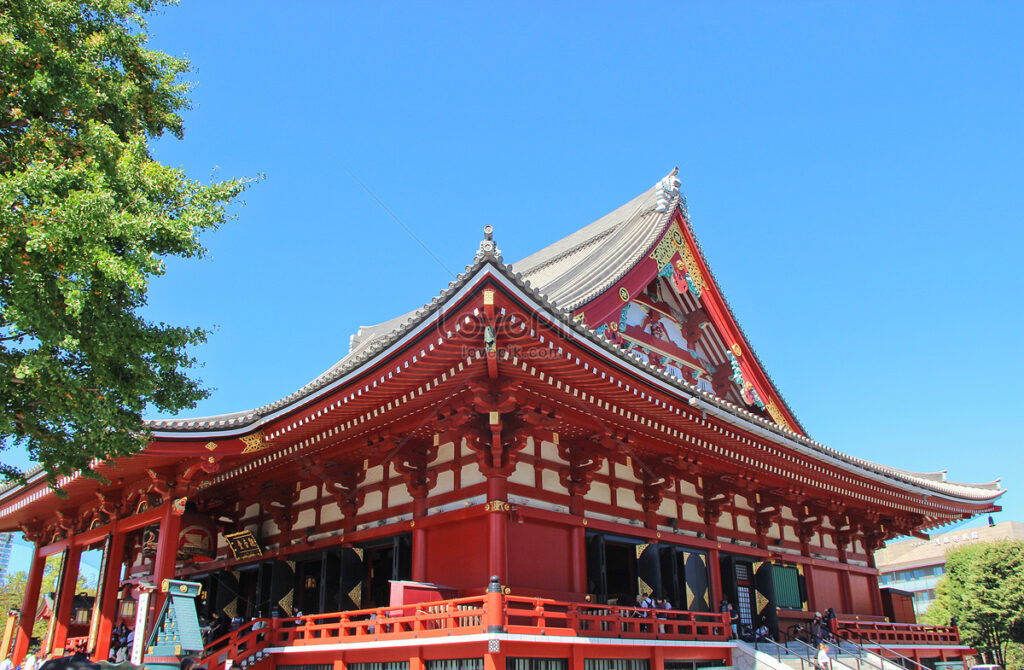
a color traditionally believed to
offer protection in Japanese culture.
The word “Shuin” consists of two kanji:
- 朱 (Shu): vermilion, a sacred color often seen in shrine gates (torii) and temple buildings
- 印 (In): seal or stamp
Together, the term “Shuin” means “vermilion seal.” While commonly associated with religious practice today, it also has historical meanings beyond temples and shrines.
Another Meaning of Shuin: Authority in History
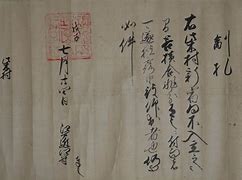
from the Edo period, showing
the historical origins of this tradition.
During the Sengoku period (15th–16th century), feudal lords (daimyō) issued official documents bearing a vermilion seal known as Shuin. These documents, called Shuin-jō (朱印状), served as proof of authority.
One of the earliest examples was issued by Imagawa Ujichika in the early 16th century. Later, Tokugawa Ieyasu used such seals to authorize overseas trade. Ships granted permission in this way were called Shuin-sen (朱印船), or “vermilion-seal ships.”
A Message to All Visitors
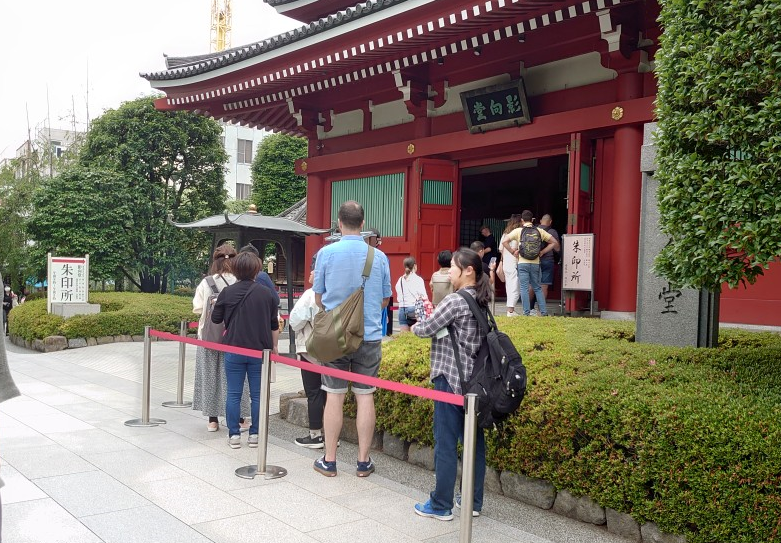
counter, reflecting the popularity
of this tradition.
Understanding the deeper meaning of Goshuin can enrich your experience of visiting temples and shrines in Japan. These sacred seals are more than decorative marks — they represent a quiet connection between the visitor and the spiritual world.
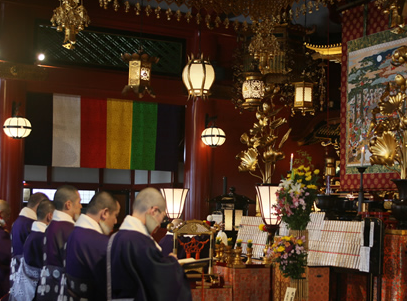
In some temples, visitors can also take part in Kito (祈祷), a formal prayer ritual conducted by priests. This deeper form of spiritual experience reflects the same connection that Goshuin quietly symbolizes.
When you line up to receive a Goshuin, do so with a sense of gratitude. In that simple moment — the brushstroke, the ink, the seal — lives a reflection of the Japanese spirit.
Share Your Thoughts
Have you experienced something similar in your own culture?
Your reflections are welcome.
💬 Jump to the comment section



コメント