- What Is Omamori?
- Omamori in Daily Life in Japan
- Not Just a Product: The Cultural Meaning of Receiving Omamori
- Go-Riyaku (Blessings) and Spiritual Beliefs
- Types and Purposes of Omamori
- Historical Origins of Omamori
- Examples of Famous Omamori in Japan
- Omamori in Modern Japanese Society
- Conclusion: Spiritual Protection in Everyday Life
- Share Your Thoughts
What Is Omamori?

to the sacred
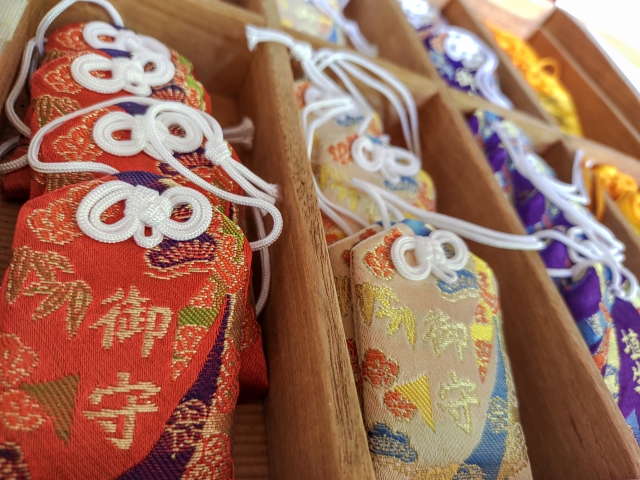
Omamori is a small protective charm offered at Buddhist temples and Shinto shrines in Japan. It is believed to contain the spiritual power of a deity or Buddha and serve as a form of invisible protection. Even though many Japanese do not identify as religious, omamori remains a meaningful tradition reflecting a deep cultural connection to the sacred.
If you are interested in the deeper meaning behind omamori, experiencing Japanese culture firsthand can offer a much richer understanding. Some platforms, such as Wabunka, provide access to authentic cultural experiences like tea ceremonies and temple visits, where you can explore the spiritual mindset behind these traditions.These experiences can help you understand not just what omamori are, but why they matter.
If you would like to experience the spiritual atmosphere behind omamori, visiting a temple or joining a guided cultural experience can offer a much deeper understanding than simply reading about it.
👉 Explore authentic cultural experiences in Japan
Omamori in Daily Life in Japan

on a child’s school bag.
Omamori can be found on school bags, inside cars, in wallets, or attached to backpacks. Students receive them for academic success, travelers for safety, businesspeople for prosperity, and pregnant women for safe childbirth. Rather than strict religious belief, the act of carrying omamori reflects a gentle reliance on unseen spiritual support in everyday life.
Not Just a Product: The Cultural Meaning of Receiving Omamori
In Japan, omamori are not ‘sold’ as products but are ‘received’ with a donation. At temples and shrines, visitors make a small monetary offering to receive an omamori that has been ritually blessed. This is why terms like ‘blessing’ or ‘bestowal’ are used instead of ‘buy’ or ‘sell’.
In Japan, receiving an omamori is often part of a deeper cultural experience at a temple or shrine, not just a simple purchase.Today, some platforms offer opportunities to experience these traditions more deeply.
👉 Discover authentic cultural experiences in Japan
Go-Riyaku (Blessings) and Spiritual Beliefs
By having Omamori, people feel comfortable to be always bestowed Goriyaku of deities. Go-Riyaku refers to the spiritual blessings or benefits bestowed by deities or Buddhas. The term consists of two Japanese words, ‘ご’ and ‘利益’. The former is the honorific prefix, and the latter is two meanings, one is ‘divine favor’ with pronunciation of ‘riuaku” which is used in the case of Omamori. The other is ‘Rieki’ meaning ‘profit’. Each omamori is believed to be infused with such blessings, giving wearers peace of mind and protection aligned with their personal needs.
This quiet sense of spiritual protection can also be seen in the way Japanese people approach everyday cleanliness and respect for shared spaces(👉 Learn how cleanliness reflects Japanese values in daily life).
Types and Purposes of Omamori
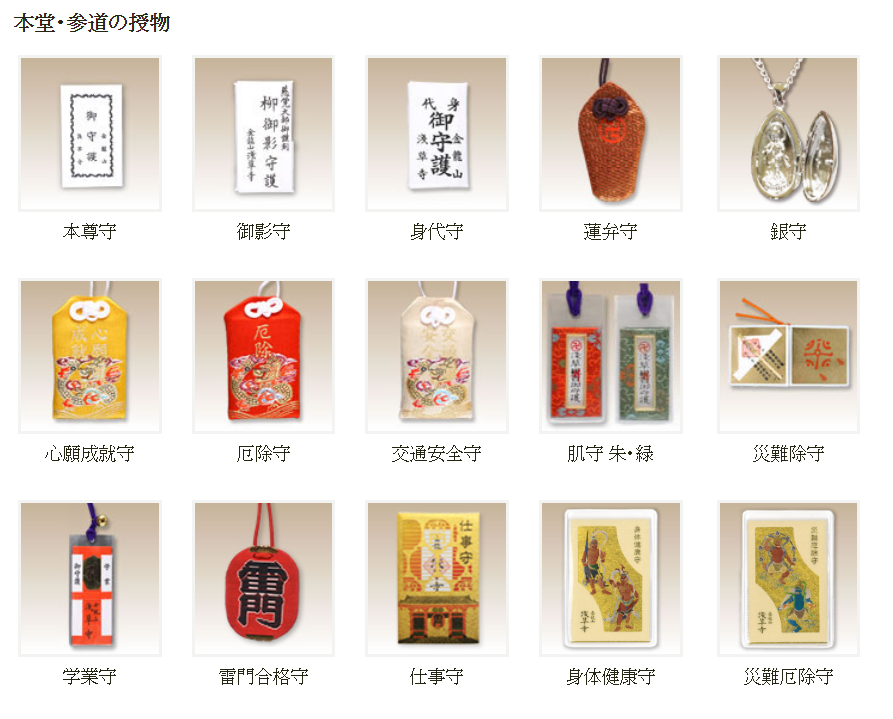
Omamori come in a variety of styles: small cloth pouches, wooden plaques, metal pendants, or accessory-like designs. Their purposes include traffic safety, academic success, business prosperity, good health, and protection from misfortune. Each omamori represents the special spiritual benefit as Go-Riyaku provided by the deity or Buddha of the temple or shrine.
To explore one of Tokyo’s most iconic temples while discovering the traditions behind Omamori,
a Sensoji Asakusa Walking Tour is also availabe.
Historical Origins of Omamori
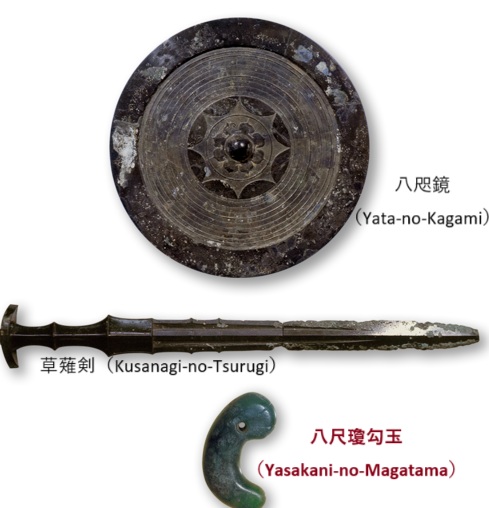
Three Imperial Regalia of Japan
The concept of omamori has evolved over centuries.
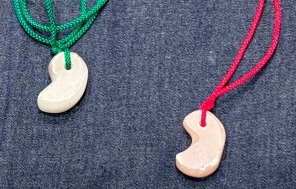
In ancient Japan, protective charms included magatama(勾玉)—comma-shaped beads believed to carry mystical power. One such magatama, the Yasakani no Magatama(八尺瓊勾玉), remains one of the Three Imperial Regalia of Japan(三種の神器).
When smallpox spread throughout the population in Nara period(eighth century) , people began carrying wooden tablets inscribed with the name of Somin Shōrai(蘇民将来): a legendary figure believed to protect against epidemics. Excavations in Nagaokakyō of Kyoto have unearthed such tablets, confirming the historical basis of this belief.(Nagaokakyo City Government)
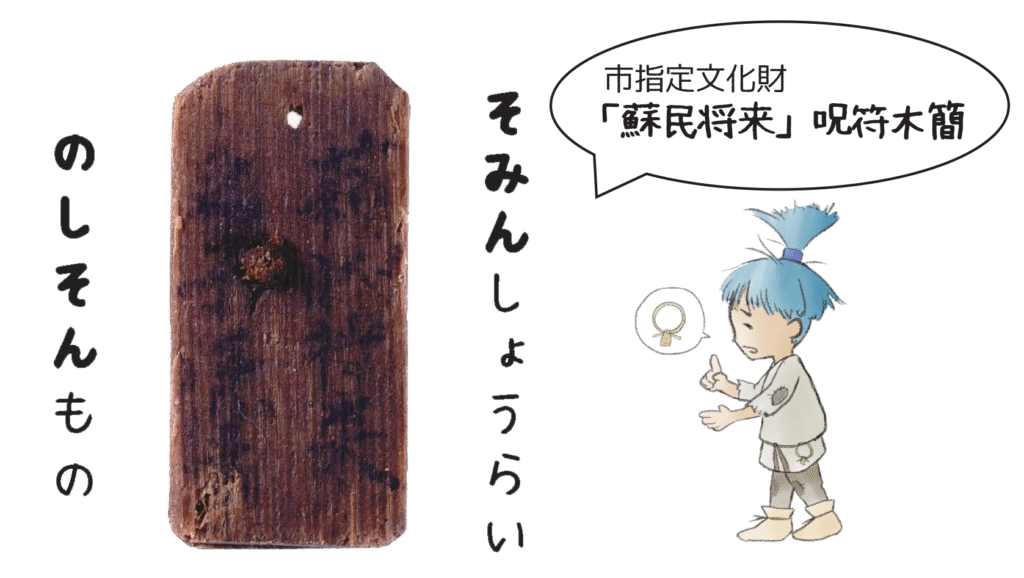
believed to ward off epidemics.
As Shingon Esoteric Buddhism gained influence from the nineth century, monks began performing Kito, ritual prayers, for believers and bestowed talismans afterward. These talismans, known as Kito-fuda, were carried for protection and healing.[Read more about Kito]
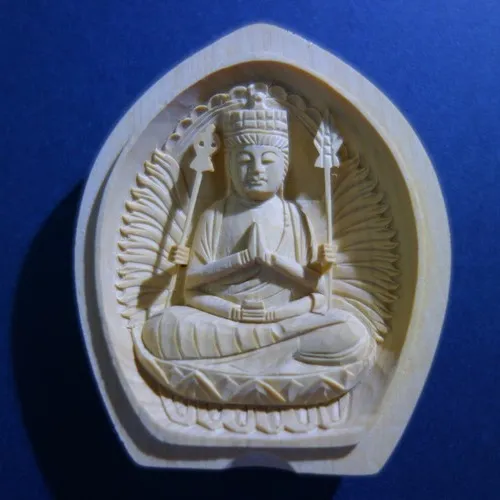

tiny charm pouches
In the Heian period(794–1185), noble women carried small Buddha statues in incense cases called Kōgō-butsu(香合仏)as personal spiritual protectors. They also wore Kake-mamori(懸守)—tiny charm pouches suspended from cords and tucked into their robes. This practice reflected their constant desire for divine protection and was later adopted by samurai and commoners alike. Especially in peaceful Edo period (seventeenth to nineteenth century), Omamori practice had become very popular among ordinary people as pilgrimage with Kito had become common by development of roads between big cities.
Examples of Famous Omamori in Japan
Let me pick up some recognized Omamori.
1. **角大師護符(Tsuno Daishi Gofu)** –比叡山横川 元三大師堂(Hieizan Yokawa Gansan Daishi-dō): This fearsome talisman depicts a horned figure representing Ryōgen(良源), a monk who transformed into a skeletal deity to ward off an epidemic. Believed to protect against illness and misfortune.
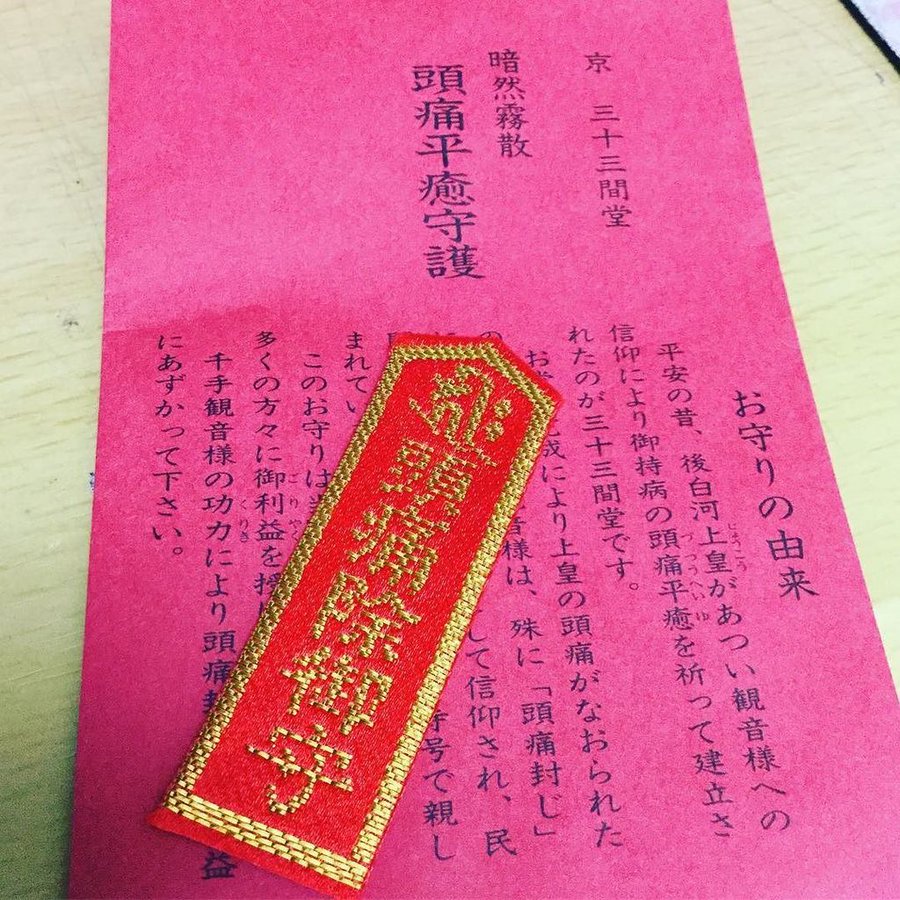
Zutsū-Fūji no Omamori
(Sanjūsangen-dō, Kyoto)
2. **頭痛封じのお守り(Zutsū-Fūji no Omamori)** 京都三十三間堂(Sanjūsangen-dō, Kyoto): Inspired by the construction of the hall for Emperor Go-Shirakawa’s prayer to relieve his headache, this charm had started to offer. The temple is known for its 1,001 statues of the thousand-armed Kannon(千手観音菩薩像).
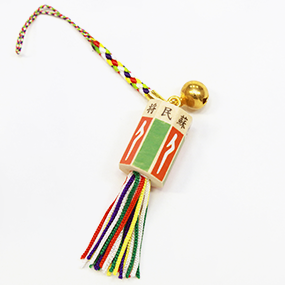
(Somin Shōrai Gofu)
3.**蘇民将来護符(Somin Shōrai Gofu)** –京都八坂神社(Yasaka Jinja, Kyoto): A wooden tag invoking the name of Somin Shōrai, believed to protect from infectious disease. Its use dates back to ancient epidemics like smallpox.
If you’re planning to visit Kyoto to explore Sanjūsangen-dō or Yasaka Shrine, staying nearby will make your trip even more comfortable.Find hotels in Kyoto
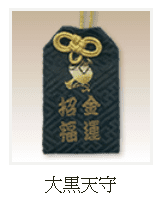
4. **大黒天守(Daikokuten Mamori)** –浅草寺(Sensō-ji, Tokyo): Dedicated to Daikokuten(大黒天), the god of wealth and happiness, this amulet is believed to attract success and abundance.
Asakusa is one of Tokyo’s most beloved districts, with Sensō-ji Temple at its heart and plenty of local charm including Daikoku-ten Omamori. Find hotels near Sensō-ji Temple in Asakusa, Tokyo
Omamori in Modern Japanese Society
No matter which temple or shrine you visit in Japan, you’ll often find Omamori like these being offered. Keeping one close may bring you peace of mind and comfort.
– 心願成就(Shingan Jōju): Wish fulfillment
– 家内安全(Kanai Anzen): Safety for the family
– 商売繁盛(Shōbai Hanjō): Business prosperity
– 身体健全(Shintai Kenzen): Good health and wellness
– 厄除け(Yaku-Yoke): Protection from misfortune during Yakudoshi(厄年) [Learn more about Yaku-Yoke]
– 交通安全(Kōtsū Anzen): Safe travels
– 入試合格(Nyūshi Gōkaku): Academic success – 安産 (An-zan) : Easy delivery
Conclusion: Spiritual Protection in Everyday Life
Omamori may be small, but they carry a deep meaning rooted in Japanese spirituality and daily life. Whether attached to a school bag or kept quietly in a wallet, they reflect a way of thinking that values both personal effort and unseen support.
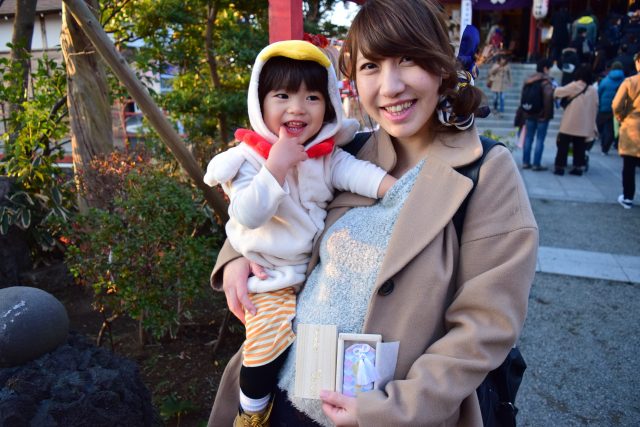
In this sense, an omamori is not just a charm, but a gentle reminder of the connection between people, belief, and everyday life. Perhaps its true meaning cannot be fully understood through explanation alone, but through the quiet experience of encountering it in its natural setting.
In Japan, many traditions are not loudly explained—they are simply lived. To appreciate them more deeply, it helps to approach these moments with a sense of respect, patience, and curiosity. Visiting temples and shrines, observing local customs, and receiving an omamori firsthand can offer a more personal understanding of this spiritual practice.

(Photo courtesy of Wabunka)
If you feel inspired to go beyond simply observing and truly experience the spirit behind omamori, stepping into a temple or shrine with deeper cultural insight can be a meaningful next step.
Rather than just visiting, experiencing these traditions in their proper context can quietly change how you see Japanese culture.
👉 Discover authentic temple and shrine experiences that reveal the spirit behind omamori
Share Your Thoughts
Have you experienced something similar in your own culture?
Your reflections are welcome.
💬 Jump to the comment section



コメント