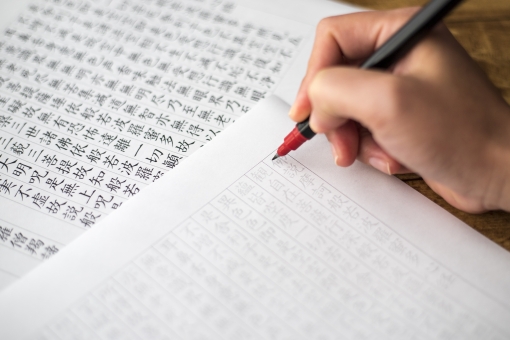
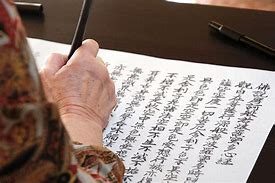
At many Buddhist temples in Japan, you may come across posters inviting visitors to try Shakyo—the practice of hand-copying Buddhist sutras. Some temples even offer guided sessions where monks teach participants how to transcribe the scriptures while explaining the essence of Buddhism. Like Zazen (seated meditation), Shakyo has long been a form of spiritual training. Today, it is widely practiced by people of all ages, regardless of religious belief, and remains deeply rooted in Japanese cultural tradition.
What Is Shakyo? Origins and Spiritual Meaning
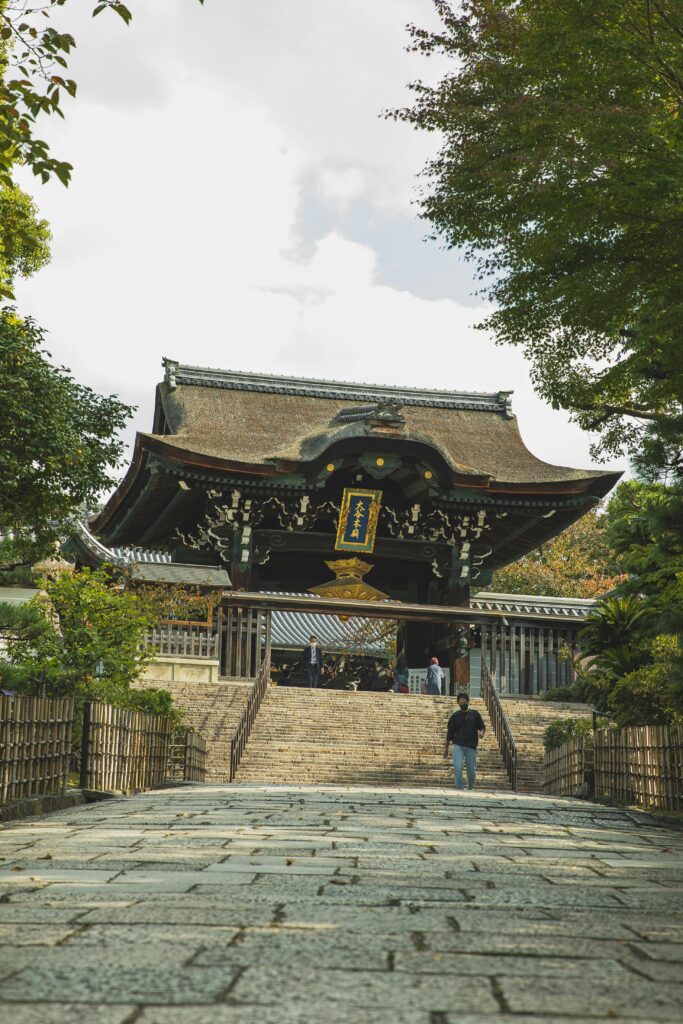
Long before printing technology existed, Buddhist monks—members of the community known as the Sangha (from Sanskrit)—hand-copied sutras to study and preserve the teachings of the Buddha. This practice was not only practical but also spiritual, as transcription itself was considered a form of discipline and devotion.
One of the most well-known scriptures, The Lotus Sutra (法華経), teaches in Chapter 10 that copying sutras brings spiritual merit and salvation. This belief inspired many practitioners to engage in Shakyo as a sacred act.
How Shakyo Spread in Japan
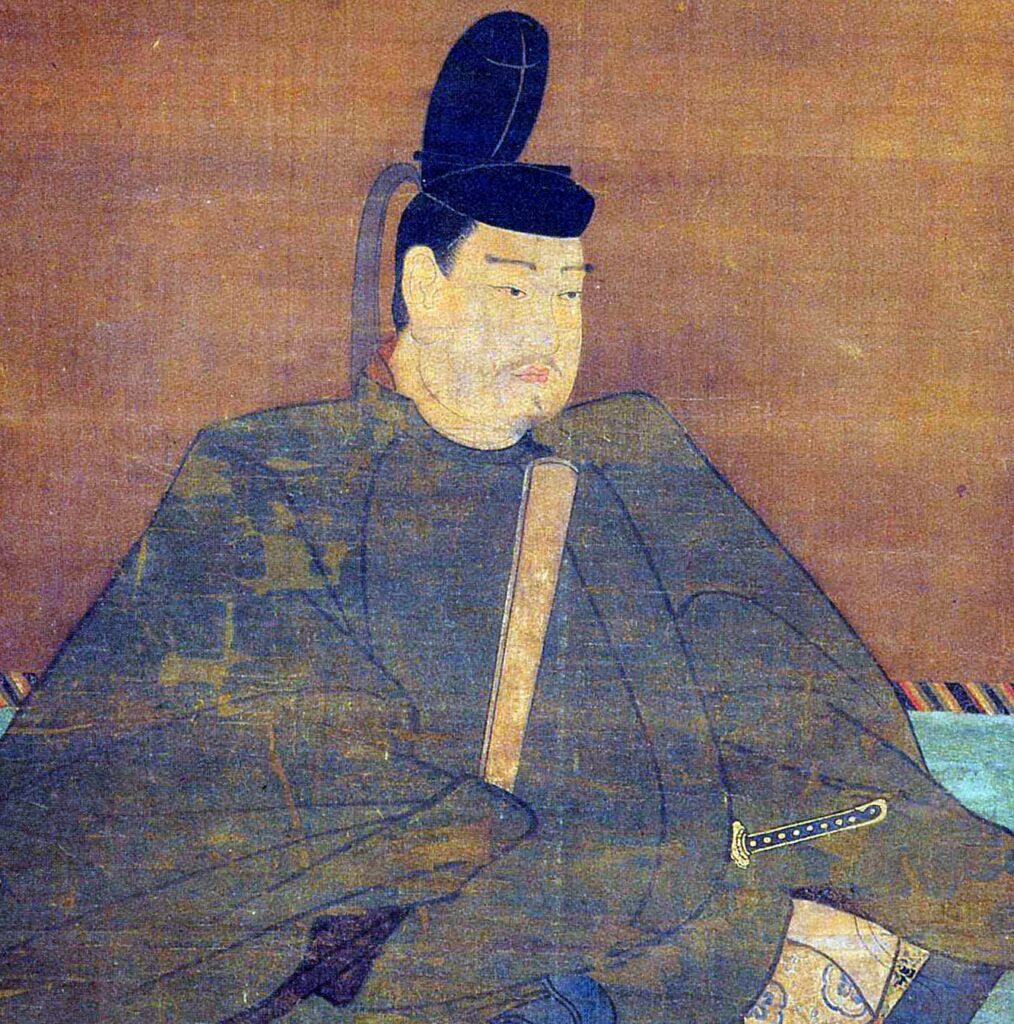
Buddhism was introduced to Japan from China and Korea in the mid-6th century. During the 8th century, Emperor Shomu actively promoted Buddhism and established official institutions dedicated to sutra transcription.
As a result, Shakyo became more widespread, and its significance grew beyond the clergy. Many people came to believe that copying sutras by hand could deepen their understanding of Buddhist teachings, protect them from suffering, and guide them toward the Pure Land (Jodo).
Shakyo and Pilgrimage Culture in Japan
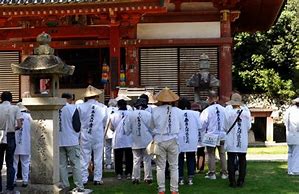
Shakyo also became closely connected with pilgrimage practices. Offering a hand-copied sutra to a temple was seen as proof of devotion and spiritual effort.
People believed that such offerings could bring happiness in this life and lead to rebirth in the Pure Land. Over time, Shakyo became an integral part of religious life for ordinary people, alongside temple visits and sacred journeys.
Shakyo in Modern Japan: Mindfulness and Meditation
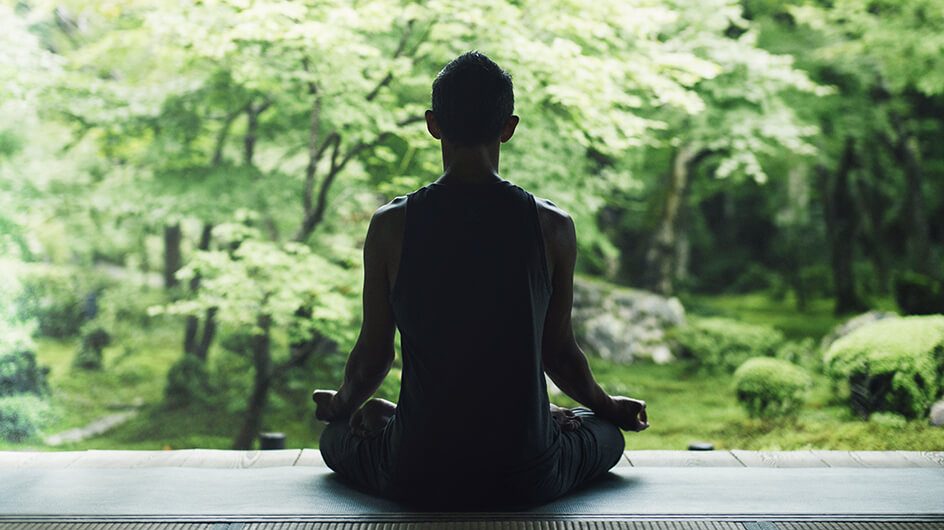
Today, Shakyo is practiced not only by devout Buddhists but also by people seeking calm and mindfulness in their daily lives. In our fast-paced, digitally connected world, this quiet and meditative activity offers a rare opportunity to slow down and focus.
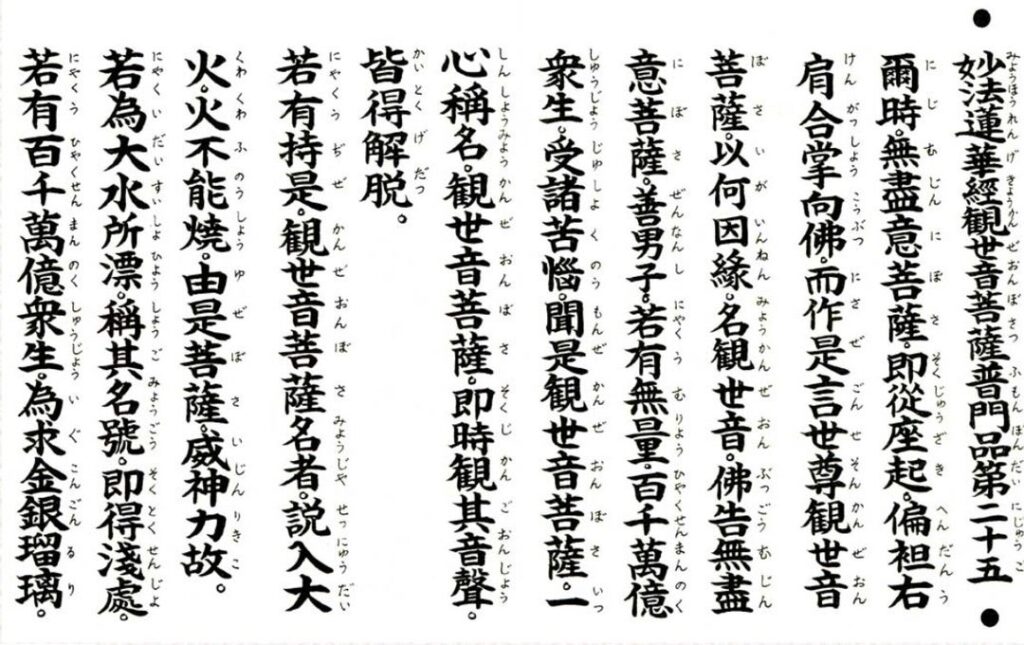
Among the most commonly copied texts are:
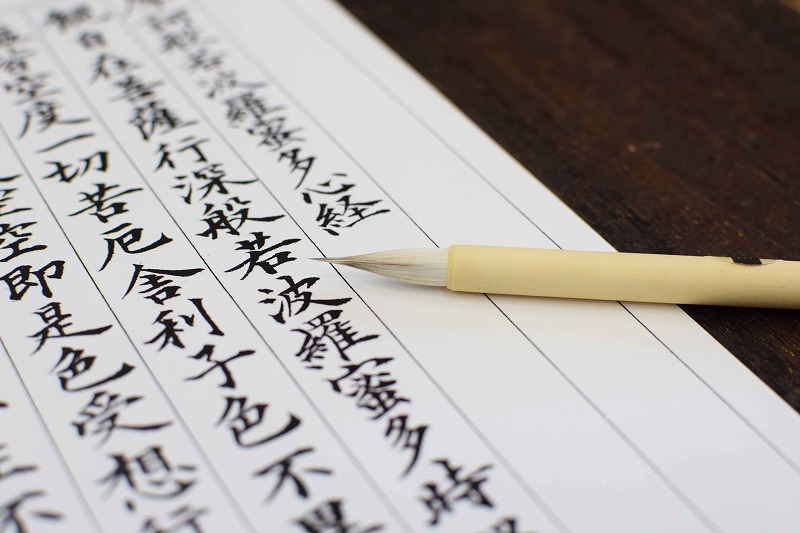
- The Heart Sutra (般若心経), a concise 260-character summary of Buddhist wisdom
- Kannon-kyo (観音経), Chapter 25 of the Lotus Sutra, describing the compassion of Kannon (Avalokiteśvara)
These teachings, rich in wisdom and compassion, reflect values that are deeply ingrained in Japanese culture and everyday behavior.
How to Experience Shakyo in Japan
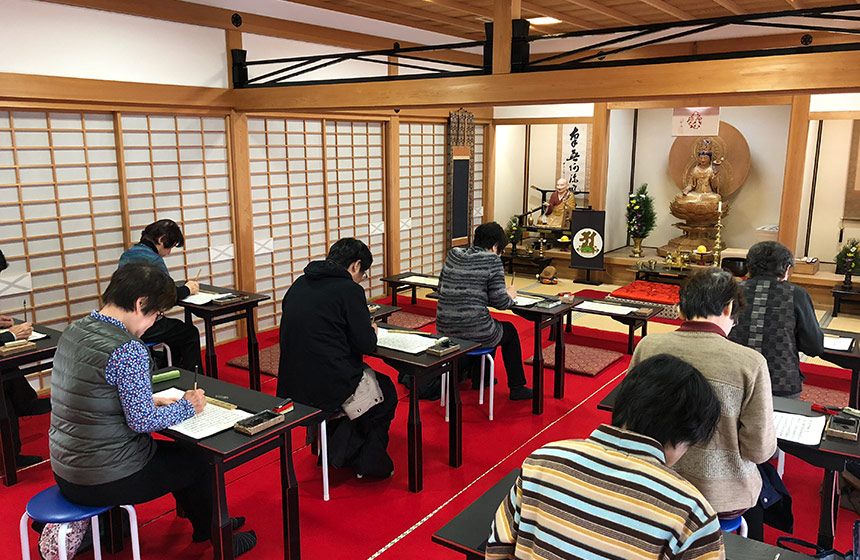
It is surprisingly easy to try Shakyo in Japan. Many temples provide specially prepared paper with faint sutra outlines that you can trace. Calligraphy brushes with built-in ink are widely available at stationery shops and even convenience stores, making it accessible for beginners.
If you would like to experience Shakyo in a more traditional setting, some cultural platforms offer curated opportunities to learn directly from practitioners in authentic temple environments.
Try Shakyo: A Unique Cultural Experience in Japan
Shakyo is more than just writing—it is a moment of reflection, a form of meditation, and a way to connect with centuries of Japanese spiritual tradition.Whether you are interested in Buddhism, Japanese culture, or simply looking for a peaceful activity during your trip, Shakyo offers a meaningful and unforgettable experience.
If you are visiting Japan, consider taking the time to sit quietly, hold a brush, and trace each character with care. You may discover a sense of calm that stays with you long after you leave. When visiting temples in Japan, you can enjoy various cultural experiences beyond Shakyo, such as drawing an Omikuji (fortune slip) or receiving a Goshuin, each offering a unique way to connect with Japanese spirituality.
If you would like to go beyond reading and experience this tradition firsthand, you can explore curated cultural programs in Japan, including Zen meditation and calligraphy, which reflect the same spirit of mindfulness found in Shakyo.
Share Your Thoughts
Have you experienced something similar in your own culture?
Your reflections are welcome.
💬 Jump to the comment section



コメント