- Introduction: Why Japan Is So Clean
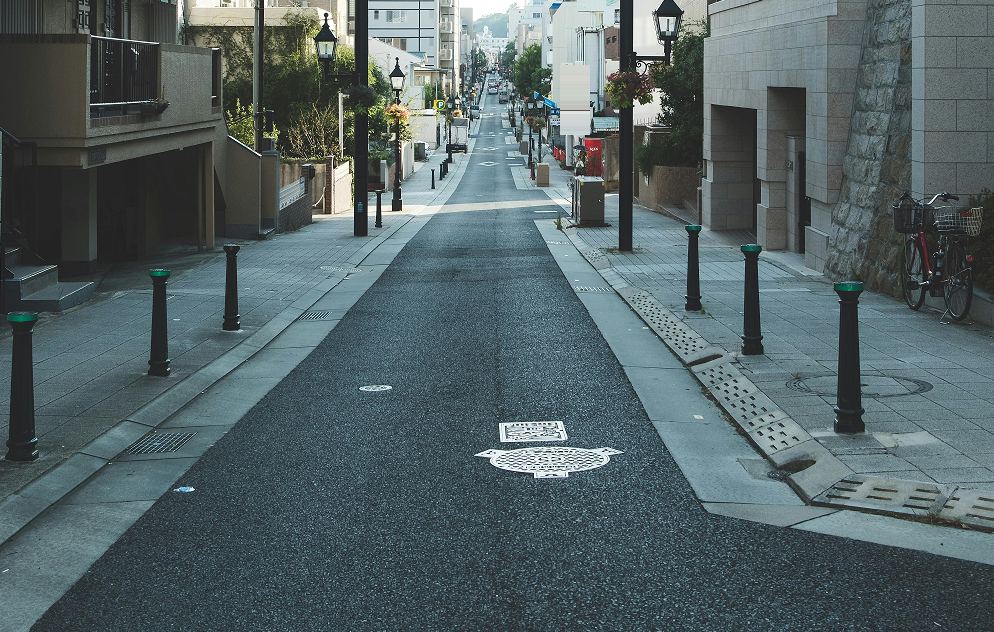
- Clean Streets in Residential Areas
- Taking Trash Home in Japan
- Cleanliness in Japanese Schools
- Workplace Cleanliness and the 5S System
- Cultural and Religious Roots of Cleanliness
- Cleanliness as a Way of Life in Japan
- Modern Challenges in Tourist Areas
- Conclusion: A Cultural Tradition of Cleanliness
- Share Your Thoughts
Introduction: Why Japan Is So Clean
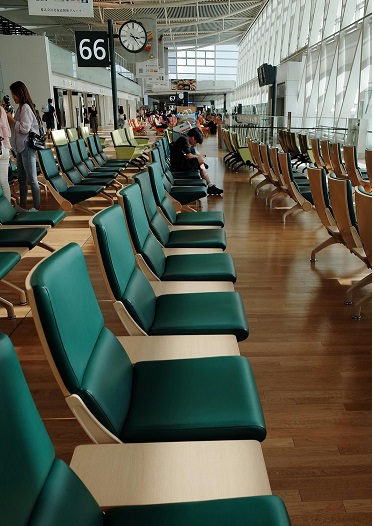
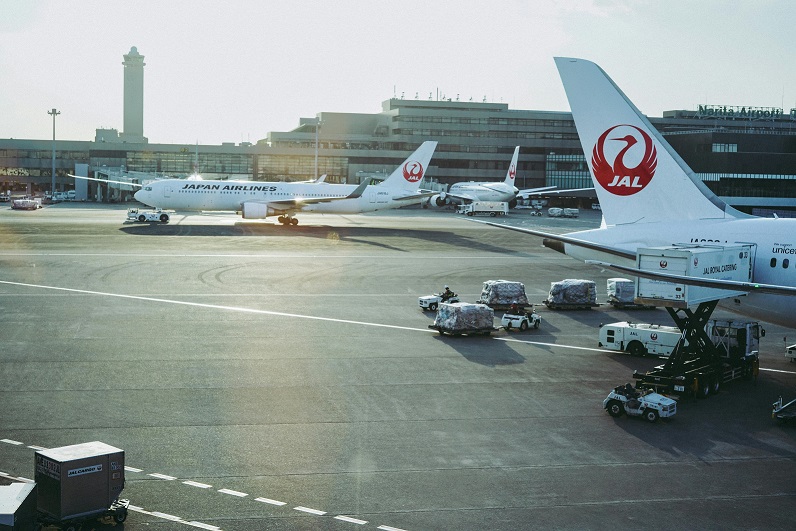
One of the first things that impress foreign tourists when they arrive in Japan is how clean everything looks, especially at the airport. From immigration counters and shopping areas to spotless restrooms, Japan’s attention to cleanliness is immediately noticeable. In fact, according to Skytrax’s 2025 “World’s Cleanest Airports” rankings, Tokyo Haneda ranks first, with Nagoya Central, Narita, and Kansai airports also making the top ten. But what makes Japan so clean? It’s not just about hiring more cleaning staff—it’s deeply rooted in the culture.
Clean Streets in Residential Areas
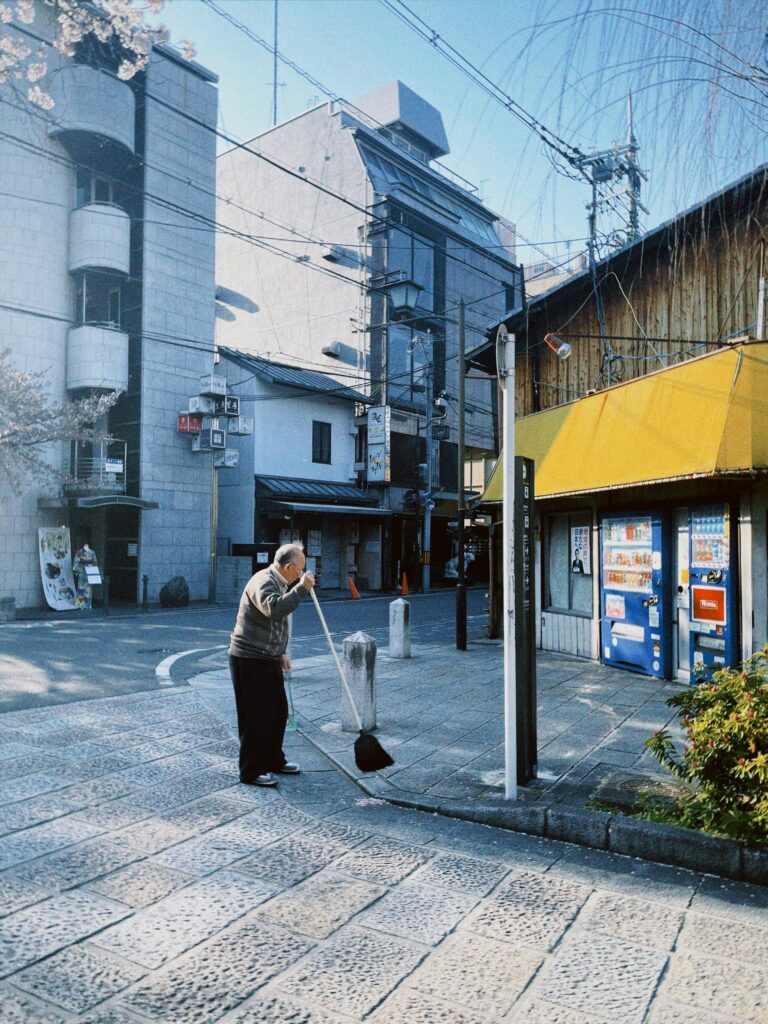
If you stay in a local Airbnb or residential area, you’ll likely notice that the streets are free from litter. In many neighborhoods, residents voluntarily clean public garbage collection spots after pick-up. In the early morning, you might even see locals picking up trash while out for a walk—not because they’re paid to, but because they take pride in their town. For Japanese people, this is simply a normal, everyday action.
Taking Trash Home in Japan
Japanese people often carry their own trash—like snack wrappers or used tissues—until they find a bin. If no bin is available, they take the trash home. While many cultures see littering as shameful, in Japan, not littering is a deeply ingrained daily habit.
Cleanliness in Japanese Schools
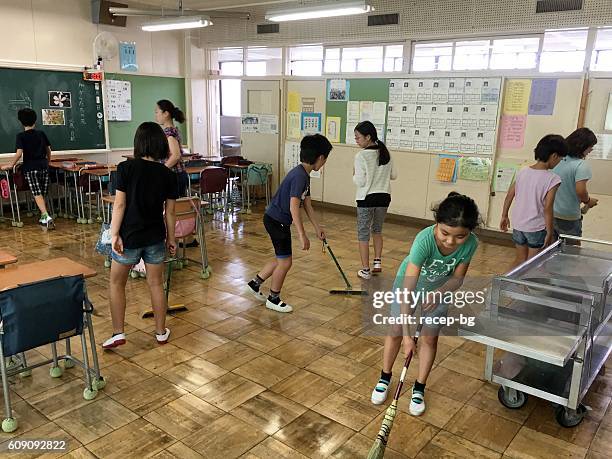
The habit starts early. In Japanese homes, children are taught to clean up after themselves. In schools—starting from nursery and kindergarten through to high school—students clean classrooms every day as a part of their routine. Though some students might play around with cleaning tools, most take this task seriously, and teachers and parents rarely question the practice. Some schools even participate in community clean-up activities. This sense of discipline and gratitude is not limited to public spaces, but also extends into daily life in Japan, including how people approach meals and express appreciation before eating(👉 Discover the meaning behind the Japanese word “itadakimasu”).
This idea—that cleaning is part of character building—can also be seen in traditional Japanese cultural experiences, where even preparation and cleaning are considered part of the practice itself.
👉 Discover mindful cultural experiences in Japan
Workplace Cleanliness and the 5S System

At many companies, office workers—not janitors—clean their desks and shared spaces at the start and end of the workday. In factories, cleanliness is even more strictly observed under the “5S” system: Seiri (Sort), Seiton (Set in order), Seiso (Shine), Seiketsu (Standardize), and Shitsuke (Sustain). This quality control method, developed in Japan, is used worldwide today and emphasizes that cleanliness improves safety, efficiency, and discipline.
Cultural and Religious Roots of Cleanliness
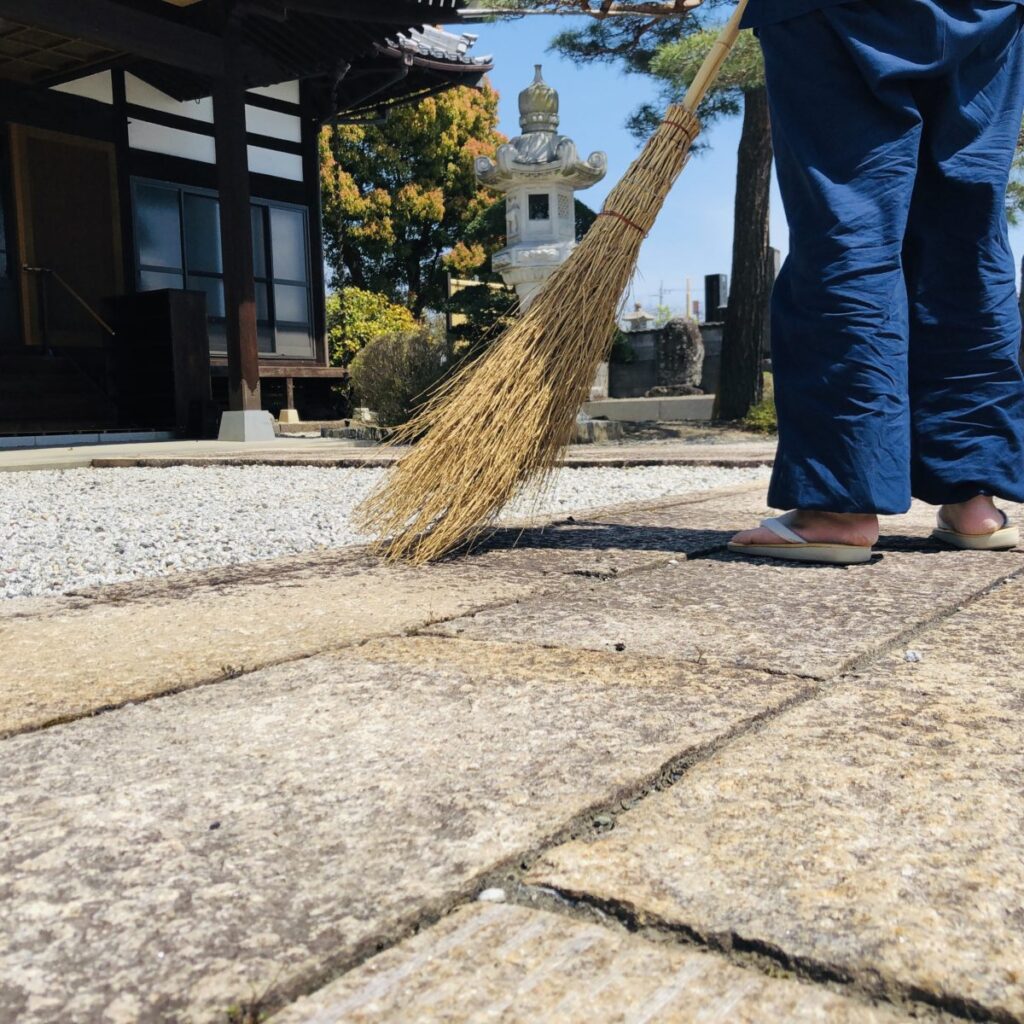
Japan’s attitude toward cleanliness has deep roots in both Buddhism and Confucianism. Introduced to Japan from China via Korea around the 6th century, Buddhism teaches that cleaning is a form of spiritual discipline. A saying from the Tendai sect puts it simply “First is samu (daily chores), second is prayer, and third is study.” Cleaning—whether it’s sweeping, weeding, or tidying—is considered a way to purify the heart. (天台宗 > 天台宗について > 法話集 > お掃除)
The idea of respecting others and maintaining harmony in daily life is also reflected in many aspects of Japanese spirituality, including traditional practices such as omamori, which represent a quiet sense of protection and gratitude. (👉 Read more about the meaning of Japanese omamori)
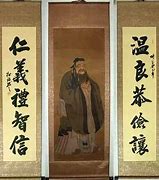
Confucianism, which also arrived from China, emphasizes virtues like compassion, justice, respect, wisdom, and trust. These teachings have influenced Japanese social behavior for centuries, particularly during the Tokugawa era. Respect for others and the community has long been a driving force behind Japan’s public cleanliness.
Japan’s approach to cleanliness is not only practical but also deeply connected to spiritual discipline and respect for others. This mindset can still be experienced today in traditional cultural practices, where attention to detail and mindfulness are essential.
👉 Experience Japanese culture that reflects this sense of mindfulness
Cleanliness as a Way of Life in Japan

To Japanese people, keeping their surroundings clean is nothing special—it’s just what they do. After international sports events like the Soccer World Cup, Japanese fans are often praised on social media for cleaning up stadium seats. Team locker rooms are also left spotless. While not all Japanese are perfect, this widespread sense of responsibility is admirable and culturally ingrained.
Modern Challenges in Tourist Areas
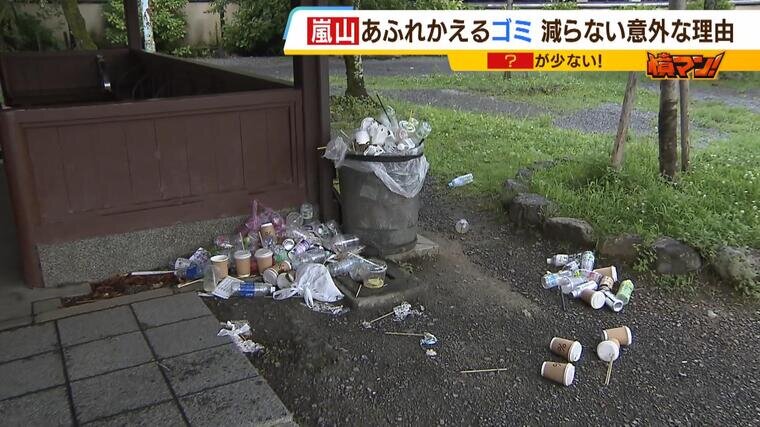
Unfortunately, littering has become a social issue in some popular tourist spots. Whether by Japanese or foreign visitors, carelessness leads to unsightly piles of trash. This not only damages the scenery but also contradicts the image of Japan’s famous cleanliness. We hope all visitors—and locals—consider how they can help maintain Japan’s beauty.
Conclusion: A Cultural Tradition of Cleanliness
Japan’s cleanliness is not just about rules or appearances—it reflects a way of thinking that values respect, awareness, and harmony with others. This mindset is quietly present in everyday life, from schools and workplaces to public spaces and homes.
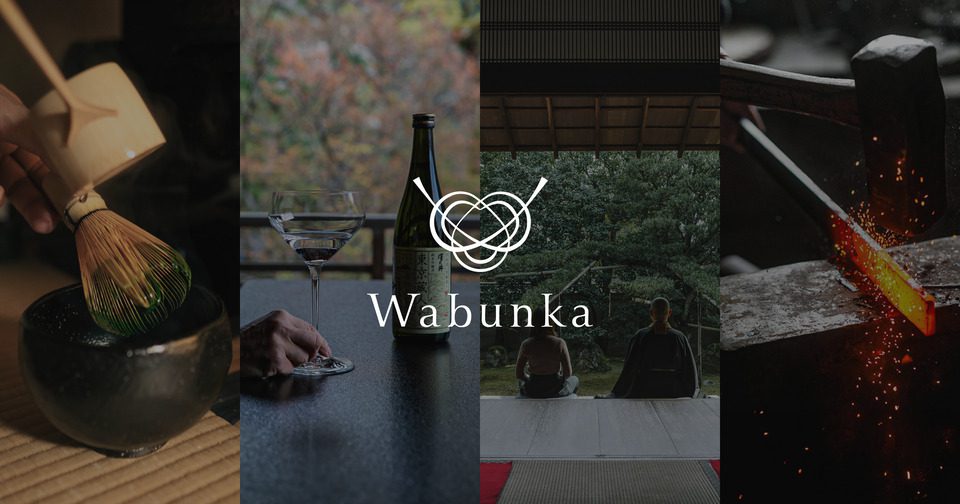
(Photo courtesy of Wabunka)
What makes it unique is that cleanliness is not treated as a separate task, but as part of daily behavior and personal discipline. To truly understand this cultural value, it is more meaningful to experience it rather than simply observe it.
In traditional Japanese practices such as the tea ceremony or Zen-inspired cultural experiences, this same sense of mindfulness can be felt in every detail.
👉 Experience the mindset behind Japan’s cleanliness through traditional cultural activities
Share Your Thoughts
Have you experienced something similar in your own culture?
Your reflections are welcome.
💬 Jump to the comment section




コメント