

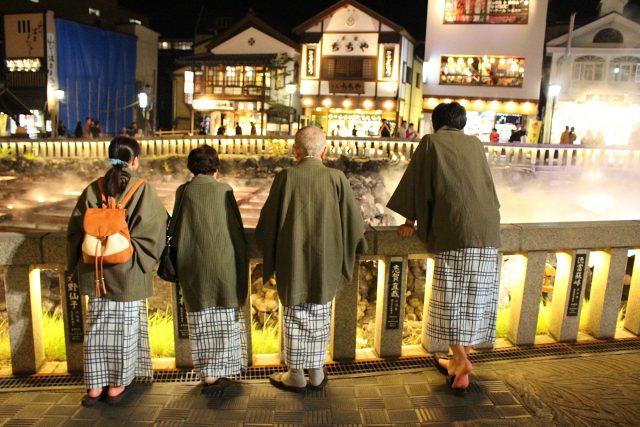
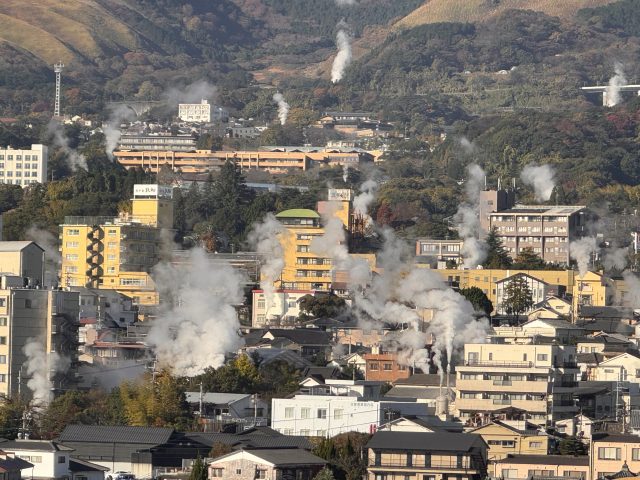
Introduction: A Family Trip to Beppu
Next February, I will travel to Beppu Onsen with my wife and my daughter’s family, including my grandchildren. We have already booked our flights and hotel, and I am genuinely looking forward to the trip.
For many foreign visitors to Japan, hot springs—onsen—may not immediately come to mind as a major travel attraction. Some may even imagine them as old-fashioned or simply places to take a bath. However, for Japanese people, onsen hold a very different meaning.
According to a survey by DAIICHISHIKO Co. Ltd., nearly 80 percent of Japanese people say they love visiting onsen. In my own family, this is certainly true. We visit hot springs several times a year, not because they are luxurious, but because they feel familiar and comforting. Onsen are places where families relax together, where time slows down, and where both body and mind can recover.
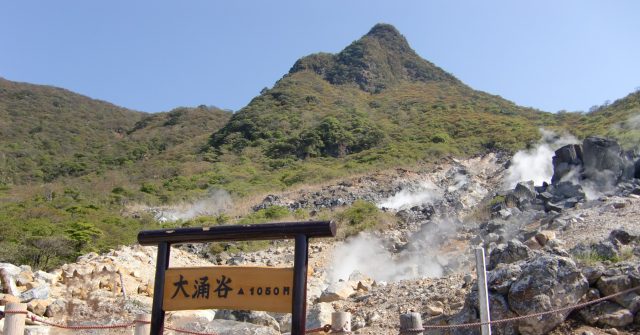
Japan has more than 3,000 onsen resorts scattered across the country—a surprisingly large number for such a small and mountainous land. This abundance is not accidental. It is deeply connected to Japan’s natural environment, its long history, and the beliefs people have held for centuries.
So why do Japanese people love onsen so much? Why have hot springs remained such an important part of everyday life, from ancient times to the present? To understand this, we need to explore the natural conditions, cultural beliefs, and historical experiences that shaped Japan’s unique onsen culture.
Planning an Onsen Trip to Beppu?
As I mentioned earlier, I will be visiting Beppu Onsen with my family next February.
If you are interested in experiencing one of Japan’s most famous hot spring areas for yourself,
you may want to explore guided onsen experiences and cultural tours in Beppu.
👉 Explore Beppu Onsen tours on GetYourGuide
Why Japan Has So Many Hot Springs
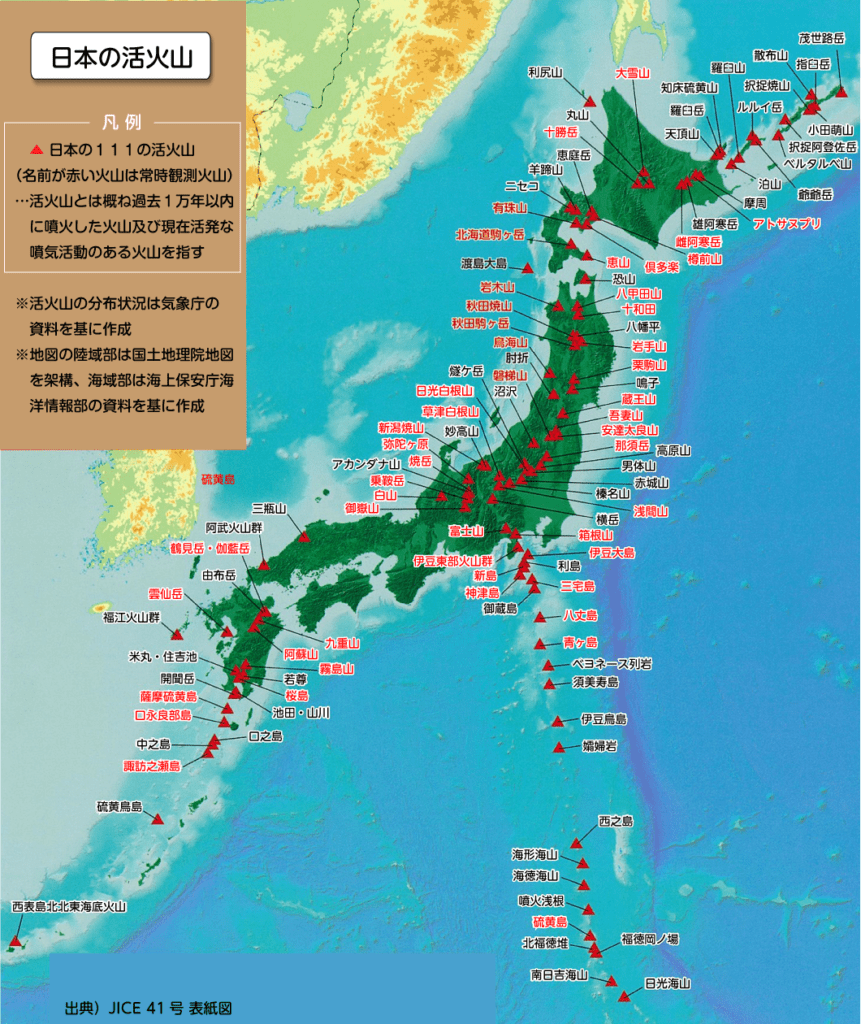
Japan’s abundance of hot springs is no coincidence. It is the result of the country’s unique natural environment.
Japan lies along the Pacific Ring of Fire, one of the most volcanically active regions in the world. Because of this, underground heat exists in many parts of the country. Rainwater seeps deep into the ground, is warmed by heat below the surface, and eventually rises back up as hot spring water. This type of onsen is known as a volcanic hot spring, while others, heated by deep underground layers without direct volcanic activity, are called non-volcanic hot springs.
Together, these natural conditions have given Japan more than 28,000 hot spring sources and over 3,000 onsen resorts, according to Nippon Onsen Research Institute. For Japanese people, this means that hot springs are never very far away. Visiting an onsen does not require a special occasion—it is simply a natural part of life, shaped by the land itself.
More Than Just Hot Water: Minerals and Health Benefits
Onsen are often described simply as hot baths, but chemically speaking, they are much more than that. What makes an onsen special is not only its temperature, but the minerals dissolved in the water as it travels deep underground.
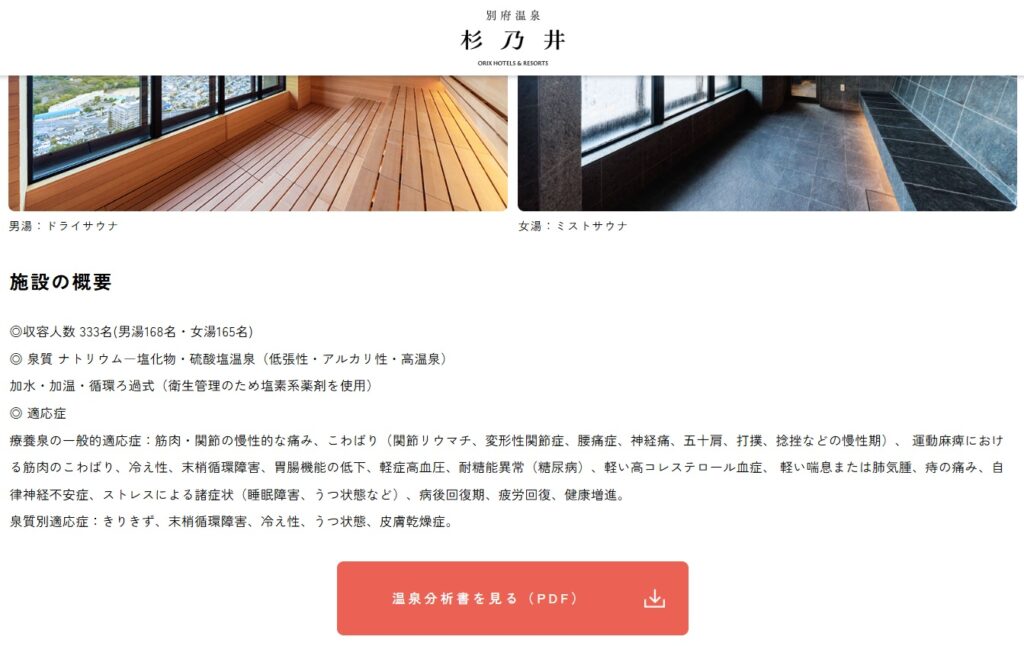
As groundwater passes through layers of rock, it absorbs various minerals and chemical components. When this water emerges at the surface as a hot spring, each onsen carries a unique combination of dissolved substances. These components affect not only the smell and color of the water, but also how it feels on the skin.
In Japan, hot springs are officially classified according to their chemical composition. You will often find a notice board at an onsen resort listing the minerals contained in the water and the health effects traditionally associated with them. This information allows visitors to choose an onsen based on their physical condition or personal needs.
For example, simple hot springs contain relatively few dissolved minerals and are known for being gentle and suitable for most people. Chloride springs retain heat well and are often used to help improve circulation. Sulfur springs have a distinctive smell and are traditionally associated with skin conditions. Carbonated springs stimulate blood flow with a mild tingling sensation, while bicarbonate springs are known for leaving the skin feeling smooth. For more details, please visit Japan Onsen Association.
While science explains many effects through mineral content and heat, the experience is not considered medical treatment. Instead, onsen bathing is a form of daily care—something that supports the body gently rather than curing it directly. Each onsen is a natural laboratory, a place to explore the earth’s subtle powers and feel their effect on your own body.
Onsen as a Gift from Nature, Belief, and History
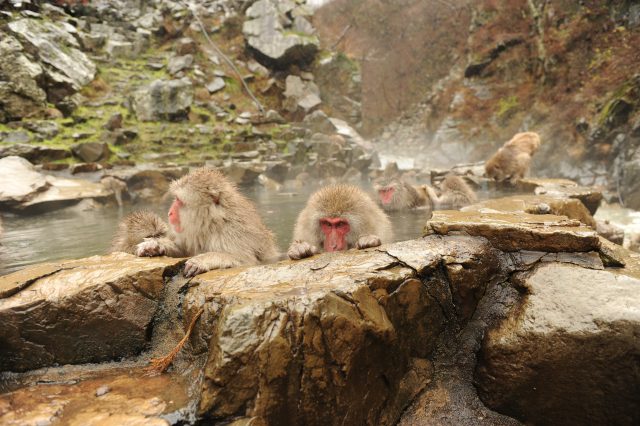
For more than a thousand years, onsen have been woven into everyday Japanese life, serving as places of healing, rest, and connection for monks, travelers, warriors, and ordinary people alike.
Long before modern science explained how hot springs are formed, people in Japan believed that hot water welling up from the earth was a gift from nature and the divine. In ancient times, animism—the belief that natural objects possess spiritual power—was widespread. When people observed animals recovering from injuries after bathing in hot springs, they came to regard onsen as sacred places of healing.
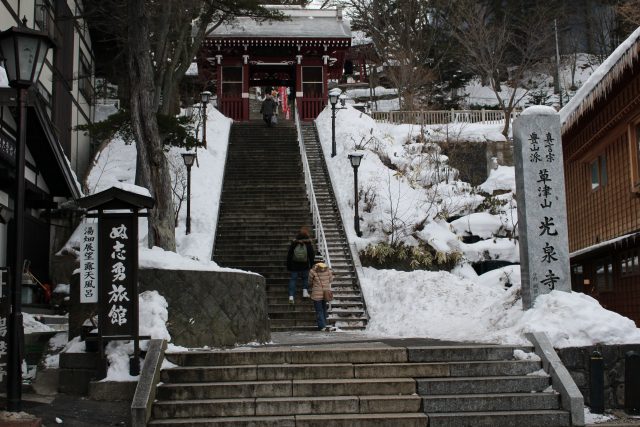
Many legends across Japan tell of Buddhist monks discovering hot springs and using them to help the sick and the poor. Figures such as Kūkai, the founder of Shingon Buddhism, and Gyōki, a high-ranking monk of the Nara period, are said to have built temples near onsen and offered care to local communities. Because of this history, it is still common to find Buddhist temples and Shinto shrines near onsen towns today.
While modern science now explains the effects of heat and minerals, these long-held beliefs continue to shape how Japanese people experience onsen—not merely as baths, but as places where nature, faith, and daily life quietly come together.
Want to Learn More About Onsen Culture?
If this article has sparked your curiosity about onsen beyond travel,
there are several excellent English-language books that explore
the history, philosophy, and cultural meaning of Japanese hot springs.
I have selected a few well-regarded titles that offer deeper insight
into how onsen have shaped everyday life in Japan.
👉 Recommended English-language books on Japanese onsen and ryokan.
- Onsen and Ryokan of Japan: Traditional Spa and Bathing Culture
- Onsen of Japan: Japan’s Best Hot Springs and Bath Houses
- The Onsen Experience: A Guide to Japan’s Hot Spring Sanctuarie
Why Onsen Still Matters to Us Today
Even today, visiting onsen remains a meaningful part of our lives. It is not just about warmth or relaxation, but about connecting with the long history and culture of Japan. When we soak in a hot spring, we feel a sense of continuity—a connection to the monks, travelers, and families who have enjoyed these waters for centuries.
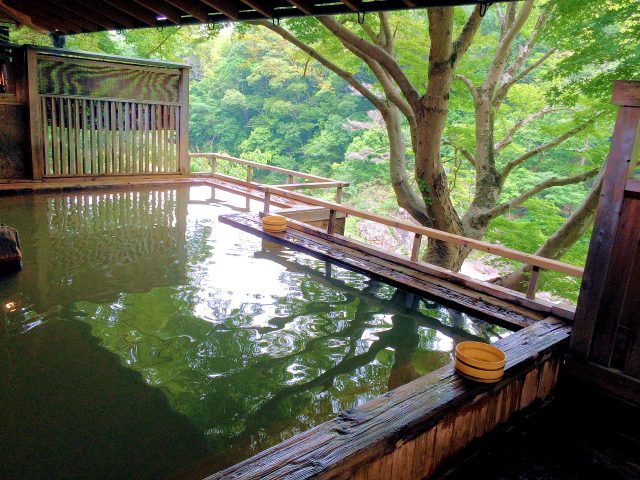
Each onsen visit is also an opportunity to experience Japan’s changing seasons. In spring, cherry blossoms may float on the water’s surface; in autumn, colorful leaves surround the baths; in winter, steam rises into the crisp air while snow gently covers the landscape. These moments allow the body to relax while the mind absorbs the beauty of nature and the rhythm of Japanese life.
For our families, onsen are also places to gather and share simple joys. Traveling with children and grandchildren, people experience the soothing waters together, laugh in the baths, and create memories that will last a lifetime.
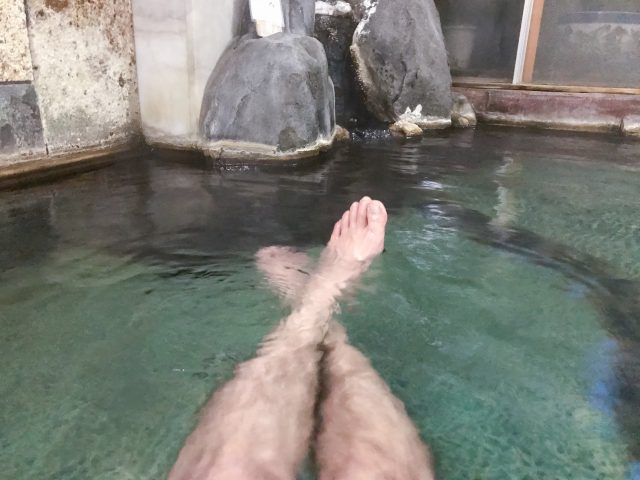
Perhaps this is why onsen remain so cherished in Japan. They are places where people care for themselves and others, where natural beauty meets centuries of tradition, and where modern life slows down just enough to allow reflection, rest, and connection.
If you are planning to visit Japan, I highly recommend including an onsen in your journey. With nearly 3,000 hot spring resorts to choose from, you can find one that speaks to your body, mind, and curiosity. Before you go, make sure to review the simple etiquette rules so you can fully enjoy this unique cultural experience. Onsen Ethiquette
By understanding and respecting onsen etiquette, you are not just following rules—you are stepping into a shared cultural space that has been cherished for generations.


Share Your Experience of Japan