Words & Spirit

Daily Aesthetics

Why Is Japan’s Shinkansen So Punctual? The Cultural Secret Behind Its Precision

IntroductionShinkansen near Kyoto StationMy wife and I often take the Shinkansen to Kyoto to visit our daughter and her ...

Language & Nuance

Haru-Ichiban: The First Spring Wind and a Song Loved in Japan

Haru-Ichiban is the first strong spring wind in Japan. This article explores its meaning, history, and the famous song by Candies that still touches Japanese hearts.
Words & Spirit

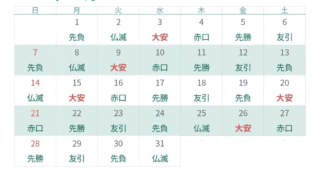
Tai-an (大安): The Day When Everything Goes Well

Discover Rokuyō, Japan’s six-day fortune calendar used to decide lucky or unlucky days for weddings, funerals, and daily events. Learn its history and meanings.
Words & Spirit

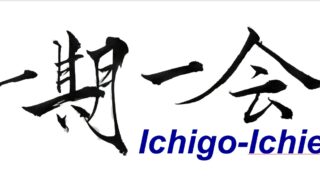
Ichigo Ichie: A Japanese Philosophy of Once-in-a-Lifetime Encounters

Discover the Japanese philosophy of Ichigo-Ichie, “treasuring one-time encounters.” From Zen tea ceremony to airlines, hotels, and daily life, learn how this spirit shapes Japanese hospitality.
Words & Spirit

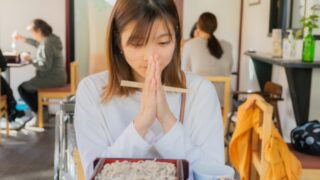
Why Do Japanese People Say “Itadakimasu”? The Meaning Behind a Simple Word

Discover the meaning of “Itadakimasu,” the Japanese phrase said before meals. Learn its history, Buddhist roots, and how it reflects Japan’s culture of gratitude.
Words & Spirit

DO (道): The Japanese Philosophy of “The Way”

Explore the meaning of “DO” in Japanese culture and how it shapes disciplines like judo, kendo, and tea ceremony.
Copied title and URL