


“Haru-Ichiban” – The First Spring Storm

Haru-Ichiban, signals the end of
winter in Japan.
There is a hit song by the young girls’ group Candies from the 1970s called “Haru-Ichiban.” This song has stayed in Japanese hearts for many years. Even today, it is often covered on TV music programs in spring. (You can also find “Haru-Ichiban” on YouTube.)
At the same time, Haru-Ichiban is the name of a strong wind that blows for the first time in early spring in Japan, except in some regions. This article looks at both the seasonal wind and the popular song, and considers why the word Haru-Ichiban still resonates with Japanese people today.
What Is “Haru-Ichiban”?
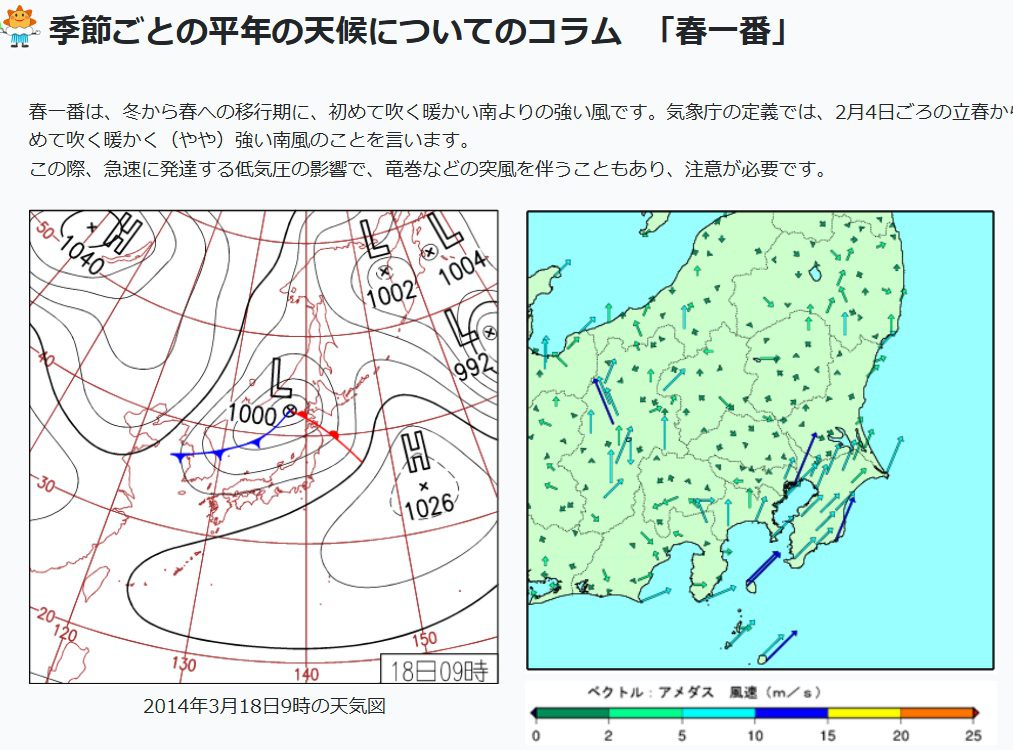
“Haru-Ichiban” refers to a strong southerly wind that blows between Risshun (the beginning of spring) and Shunbun (the spring equinox). This usually happens around late February.
During this period, the winter pressure pattern begins to collapse. Cold northern air and warm southern air switch their positions, and a low-pressure system passes over the Japanese archipelago. As a result, a strong and warm southerly wind blows. This wind is called Haru-Ichiban.
When Haru-Ichiban blows, people feel that winter has finally ended and that spring is on its way.
The Origin of the Word “Haru-Ichiban”
Originally, Haru-Ichiban was a term used among fishermen in the Iki Islands of Nagasaki Prefecture in the nineteenth century. At that time, it referred to a dangerous wind.
On February 13, 1859 (in the lunar calendar; March 17 in the solar calendar), fishermen from the islands were lost at sea after a sudden violent wind accompanied by dark clouds. After this tragedy, local fishermen began to call the first strong wind of early spring “Haru-Ichiban.” It became a warning sign of sudden weather change, and they would avoid going out to sea when it blew.
Even today, a memorial stone on Iki Island records this marine disaster from 1859.
The word Haru-Ichiban was first used publicly in 1963 by the Asahi Shimbun. Later, it became widely known through the popular song by Candies. Because the term became so familiar, the Japan Meteorological Agency decided to define it officially.
For example, in the Kanto region, the definition includes the following conditions:
- The period is between Risshun and Shunbun
- A low-pressure system is located over the Sea of Japan
- The maximum wind speed reaches around 8 meters per second
- The wind blows from the south
- The temperature becomes higher than the previous day
Once Haru-Ichiban blows, spring-like warmth usually follows soon after.

when winter slowly fades away.
The Song “Haru-Ichiban” by Candies
Now, let us look at the message of the song Haru-Ichiban by Candies.
雪が溶けて川になって 流れて行きます
Melting snow becomes a river and flows away.つくしの子がはずかしげに 顔を出します
Buds of field horsetail shyly show their faces.もうすぐ春ですね
Spring is coming, isn’t it?ちょっと気取ってみませんか
Why don’t you dress up a little?
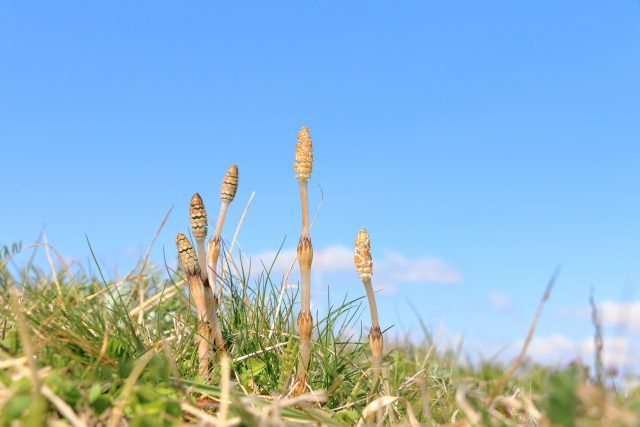
Small signs of spring appearing
after a long winter.
These lyrics describe small changes in nature at the turning point from winter to spring. They quietly express a Japanese sensibility often seen in seasonal scenes. This feeling can also be connected to concepts introduced in my previous posts, such as Koyo (autumn leaves) and Ichigo-Ichie, which reflect the Japanese awareness of Mujō-kan—impermanence.
The song gently encourages listeners to take one step forward as the seasons change.
風が吹いて暖かさを 運んで来ました
The wind blows and brings warmth.どこかの子が隣りの子を 迎えに来ました
Someone comes to pick up the person next door.もうすぐ春ですね
Spring is coming, isn’t it?彼を誘ってみませんか
Why don’t you invite him?
Here, the wind does more than change the weather. It creates a gentle push toward action. At this seasonal milestone, the song suggests trying something new.
泣いてばかりいたって 幸せは来ないから
If you keep crying, happiness will not come.重いコート脱いで 出かけませんか
Why don’t you take off your heavy coat and go out?もうすぐ春ですね
Spring is coming, isn’t it?恋をしてみませんか
Why don’t you fall in love?
At the change of seasons, people naturally begin to expect something new and hopeful. The lyrics do not force optimism, but softly invite listeners to move forward.
Conclusion: Haru-Ichiban as a Sign of Seasonal Change
When the Haru-Ichiban blows, winter suddenly feels distant. The air becomes warmer, the scenery begins to change, and people sense that a new season has already started.
The song “Haru-Ichiban” expresses this moment beautifully. It does not describe dramatic happiness, but rather a small courage to move forward at a turning point in time.
This quiet feeling reflects the Japanese sense of Mujō-kan—the awareness that time flows and nothing remains the same. Just like the wind, spring arrives suddenly, stays briefly, and then passes on.


Share Your Experience of Japan