

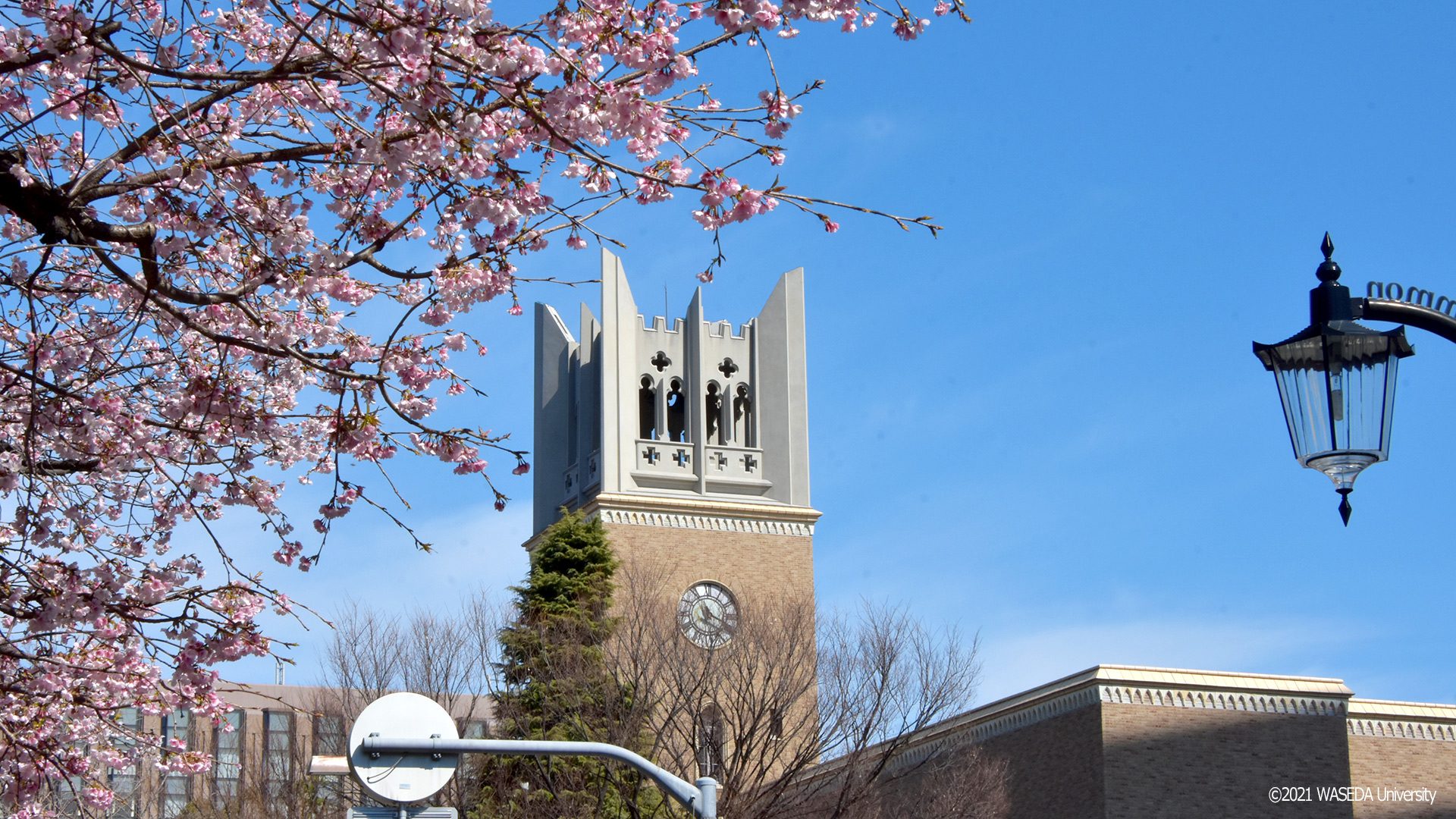
Introduction: Waiting for Spring in Japan
Late January and early February are the coldest weeks of the year in Japan. Heavy snow falls in the northern regions and along the Sea of Japan coast, and winter still feels firmly in control. Yet, this is also the time when many Japanese people begin to look ahead, quietly anticipating the next season.
In late February, a strong seasonal wind known as Haru-Ichiban, the “first spring storm,” blows across the country. It signals that winter is finally loosening its grip. Soon after, our thoughts turn naturally to Sakura—cherry blossoms, Japan’s most beloved flowers and a powerful symbol of spring.
In my previous article, “Sakura: More Than Just Blossoms — A Reflection of the Japanese Heart,” I explored the emotional meaning of Sakura for Japanese people. In this article, I would like to focus on a more specific story: the deep and lasting connection between Sakura and schools in Japan.
The Analogy of “Sakura Saku” — Cherry Blossoms Bloom
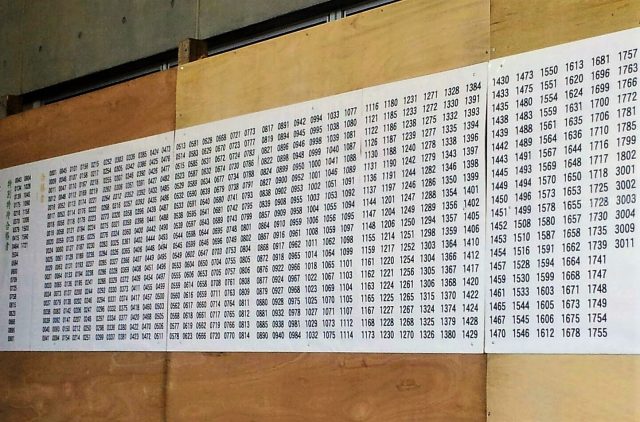
a board on campus
In Japan, the phrase “Sakura saku”—literally, “the cherry blossoms bloom”—has a special meaning. It is commonly used to say that someone has passed an entrance examination.
This expression dates back to the 1950s. At that time, Waseda University in Tokyo, one of Japan’s most prestigious private universities, announced successful applicants by posting examinee numbers on a board on campus. Students had to travel to Tokyo to see their results in person.
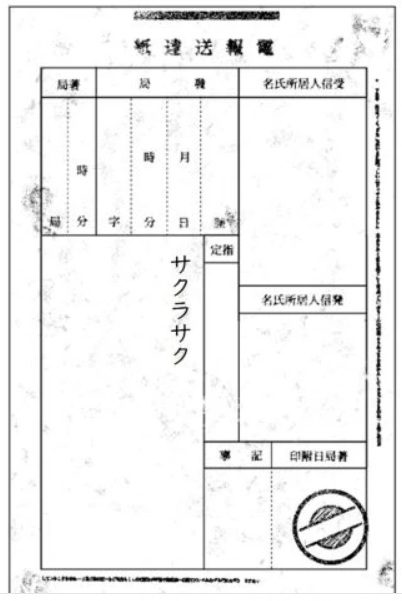
“Sakura Saku”
For applicants living far from the capital, this journey was expensive and sometimes impossible. To help them, a group of Waseda students began offering a telegram service to inform applicants of their results. Instead of using a direct expression such as “You passed,” they sent a short, symbolic message: “Sakura saku!”
Japanese students immediately understood its meaning. As mentioned in my earlier article, Sakura strongly reminds Japanese people of their school days. Entrance ceremonies are held in early April, exactly when cherry blossoms are in full bloom. Because Sakura is associated with both graduation and new beginnings, the phrase “Sakura saku” naturally evoked the image of a new life about to begin at university.
Today, “Sakura saku” is used more broadly to describe success in many kinds of challenges, not only examinations.
On the other hand, when a student failed an exam, the telegram sometimes read “Sakura chiru”—“the cherry blossoms fall.”
Sakura on School Grounds and University Campuses

Many Japanese schools and universities are known for their cherry trees. At Waseda University, the birthplace of the phrase “Sakura saku” and my own alma mater, rows of Sakura trees welcome new students every spring. (for more, visit the site)
When my wife attended our son’s entrance ceremony at Kwansei Gakuin University in Kobe, she was deeply moved by the sight of cherry blossoms in full bloom across the campus. This is not unusual. From elementary schools to universities, Sakura trees are planted on school grounds throughout Japan.
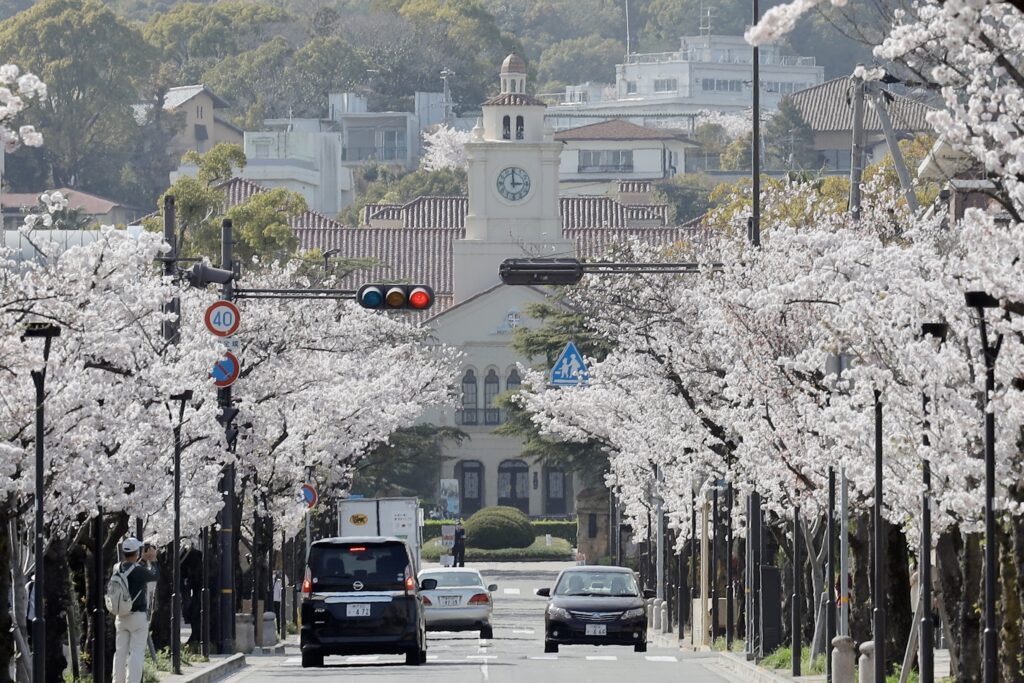
While famous temples in Kyoto and other scenic spots attract many visitors during cherry blossom season, school campuses are also wonderful places to appreciate Sakura in a quieter, more everyday setting. Even a simple stroll around residential areas in spring often reveals cherry trees standing in schoolyards nearby.
That said, visitors should remember that school grounds are not public parks. Entering school premises without permission should be avoided.
Why Are Sakura Trees Planted at Schools?
Most cherry trees planted at Japanese schools are Somei-Yoshino, the most common variety of Sakura today. Unlike traditional native species such as Yama-zakura or Shidare-zakura—often mentioned in classical works like the Manyōshū (8th century) or The Tale of Genji (11th century)—Somei-Yoshino is a relatively modern variety.
Developed in the 19th century, Somei-Yoshino was valued for its fast growth, relatively low planting cost, and the beauty of its petals as they fall all at once. These characteristics later took on a darker meaning.
Before World War II, the Japanese government used Sakura symbolism in militaristic education. Soldiers were encouraged to live—and die—like cherry blossoms: blooming brilliantly and falling beautifully. Sakura became a symbol of the ideal soldier, and as a result, cherry trees were widely planted at military academies and schools across Japan.
Today, this history is viewed with regret. Rather than glorifying sacrifice, modern Japanese society reflects on this period as a painful lesson. Sakura is no longer seen as a symbol of militarism, but instead as one of peace, life, and gentle transience.
Sakura and Schools in Modern Japan

Although the widespread planting of Sakura in schools was influenced by political decisions in the past, cherry blossoms today remind us of peace and ordinary happiness. They are cherished subjects in paintings, poetry, and popular culture.

Even in modern Japan, Sakura frequently appears as a central theme in graduation songs and love songs, symbolizing both farewells and new beginnings. One well-known example can be found in these songs:
If you have the chance to visit Japan during cherry blossom season, I recommend taking a quiet stroll near school grounds. There, you may sense how closely Sakura is tied to the memories, hopes, and peaceful daily lives of Japanese students.

Share Your Experience of Japan